
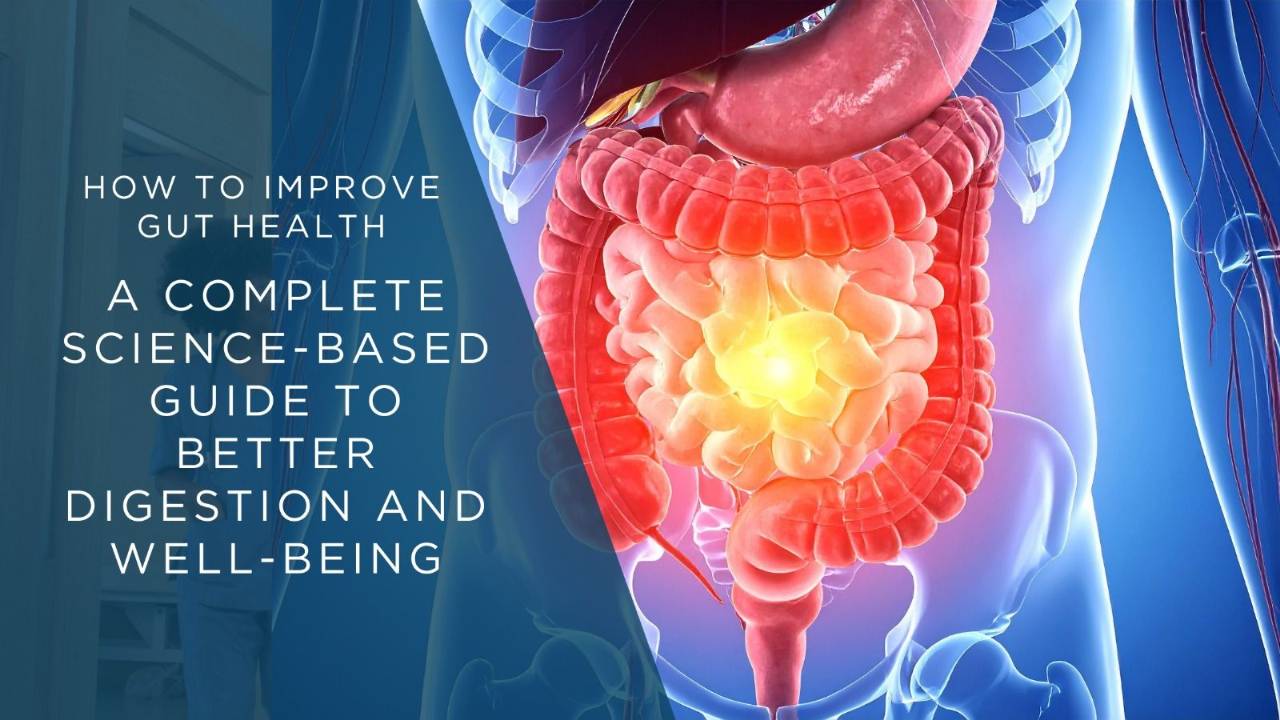
How to Improve Gut Health: A Complete Science Based Guide to Better Digestion and Wellbeing
Your gut plays a central role in how you feel each day. It influences digestion, immunity, energy levels, mood regulation and overall wellbeing. With so much information in the media, it can be difficult to understand what genuinely helps gut health and what does not. This guide provides a clear, research informed overview to help you understand how your gut works and the steps that can support a healthier digestive system.
The guidance in this article draws on leading medical institutions, including Johns Hopkins Medicine, Harvard Health Publishing, Mayo Clinic and the National Institutes of Health. The aim is to offer reliable, balanced information that supports informed decisions about your health.
Key Takeaways
- Gut health affects digestion, immunity, brain health, hormone balance and inflammation.
- Early signs of gut imbalance are often subtle, such as bloating, heartburn or irregular bowel habits.
- A diverse microbiome is a core indicator of a healthy gut.
- Diet, stress, sleep, activity levels and environmental factors can strengthen or weaken gut health.
- Supplements can help in certain cases, but should not replace foundational lifestyle measures.
- Seek medical care if you experience persistent or worsening digestive symptoms.
What Gut Health Really Means
Gut health refers to the effective function of the digestive system and the balance of the microorganisms living within it, known as the gut microbiome. A healthy gut breaks down food efficiently, absorbs nutrients, protects against harmful organisms and communicates with the brain and immune system.
Research shows that gut health is closely linked to overall well being. The digestive system contains its own neural network, often called the gut brain connection, which works with the central nervous system to regulate mood and stress responses. A large proportion of the immune system is located in the gut, which means the gut plays a critical role in inflammation control and illness prevention.
When the gut is functioning well, digestion is comfortable and regular, immune responses are balanced and energy levels are stable. With this foundation, it becomes easier to identify early changes and take action before symptoms progress.
Early Signs Your Gut Needs Support
Digestive discomfort can happen occasionally, but ongoing symptoms are often a sign that the gut may need attention. According to Johns Hopkins Medicine, common indicators of digestive imbalance include bloating, gas, heartburn, constipation, diarrhea, nausea and abdominal pain. Harvard Health Publishing notes that gut issues may also affect mood, immune function and energy levels.
Subtle early signs can include:
- Increased sensitivity to certain foods
• Irregular bowel habits
• Persistent bloating after meals
• Unexplained fatigue
• Frequent colds or slower recovery from illness
• Brain fog or trouble concentrating
If symptoms last longer than two to three weeks, become more frequent or interfere with daily life, speak with a healthcare professional. Seek medical care promptly if you experience unintentional weight loss, blood in the stool, persistent vomiting, severe pain, difficulty swallowing or black, tarry stools.
The Gut Microbiome: What a Healthy Gut Looks Like
The gut microbiome is a community of trillions of microorganisms that live in the digestive tract. A balanced and diverse microbiome supports digestion, nutrient absorption, immune function and the production of some vitamins. Research published in the BMJ suggests that greater microbial diversity is linked to lower inflammation and reduced risk of metabolic and autoimmune conditions.
Indicators of a healthy microbiome include:
- A variety of beneficial bacteria rather than dominance of one type
• Comfortable digestion most days
• Regular bowel movements that are well formed and easy to pass
• Resilience, meaning the gut recovers well after stress, illness or dietary changes
A diet that includes varied fiber rich plant foods, moderate fermented foods and limited ultra processed products can help support microbial diversity. Chronic stress, lack of sleep, smoking, excessive alcohol intake and frequent antibiotic use can disrupt the balance of gut bacteria
How to Improve Gut Health: The Core Foundations
The most reliable way to support gut health is through consistent daily habits. These evidence based foundations form the basis of lasting digestive improvement.
1. Eat for Microbiome Diversity
A balanced gut thrives on a variety of plant based foods. Aim to include different fruits, vegetables, whole grains, legumes, nuts and seeds throughout the week. Diversity provides a wide range of fibers that nourish beneficial gut bacteria.
A practical starting point is to include three different plant foods at each meal. Over a week, aim for 20 to 30 unique plant foods. This can be easier than it sounds when herbs, spices and small additions like seeds are included.
2. Increase Fiber Gradually
Fiber supports regular bowel movements and feeds beneficial bacteria. Sudden increases can cause gas or bloating, so adjust slowly. Adults typically benefit from 25 to 30 grams of fiber per day, adjusted for tolerance and medical guidance.
If you have IBS or a sensitive digestive system, work with a qualified clinician to build tolerance in a structured way.
3. Hydrate Consistently
Water supports digestion, bowel motility and the mucosal lining of the intestines. A general guideline is six to eight cups of fluid per day, adjusted for activity level, climate and health status. Herbal teas and water rich foods also contribute to hydration.
4. Include Fermented Foods in Moderation
Fermented foods such as kefir, yogurt with live cultures, sauerkraut, kimchi and miso provide beneficial bacteria. Introduce them slowly, especially if you are new to them or have a sensitive gut.
5. Support Regular Physical Activity
Movement helps promote digestive motility and has been associated with improved microbial diversity. Activities such as walking, cycling, gentle strength training or yoga can be supportive. Aim for regular movement most days of the week.
6. Prioritize Sleep
Poor sleep affects the gut brain axis and can alter the gut microbiome. Create a consistent sleep routine, limit screen exposure before bed and adjust your environment to support restful sleep.
7. Manage Stress
Chronic stress disrupts digestion and alters gut bacteria. Evidence based stress reduction practices include deep breathing exercises, mindfulness, nature walks or talking therapies. Even a few minutes of daily relaxation can make a meaningful difference.
8. Use Supplements Carefully
Probiotics, digestive enzymes, fiber supplements or specific nutrients can be helpful in certain cases. However, supplements should not replace dietary and lifestyle foundations. Seek guidance from a healthcare professional before starting supplements, especially if you have digestive conditions or take regular medications

Diet Approaches for Gut Health: What Helps and When to Use It
There is no single diet suitable for every person. The most appropriate approach depends on symptoms, diagnosis and individual tolerance. Below is an overview of common approaches, along with medical considerations.
Low FODMAP Diet
Developed by Monash University, the low FODMAP diet can reduce symptoms of IBS by limiting specific carbohydrates that may ferment rapidly in the gut. This diet is considered a short term diagnostic tool. It is not intended for long term use because it can reduce microbial diversity if followed for an extended period. For best results, complete this diet under the guidance of a clinician trained in the approach.
Mediterranean Style Eating Pattern
This dietary pattern has been associated with improved gut microbial diversity and reduced inflammation. It focuses on vegetables, fruits, whole grains, legumes, nuts, olive oil, fish and moderate dairy. It is generally considered a balanced long term approach for many people.
Anti Inflammatory Eating
For individuals who experience inflammatory digestive symptoms, a focus on whole foods, omega 3 rich foods, herbs, spices and reduced added sugars may be supportive. This approach can be customized for individual health needs.
Health conditions, food sensitivities and medication interactions should be considered when adjusting your diet. Speak with a healthcare professional if you plan to make significant dietary changes.
Prebiotics, Probiotics and Postbiotics: Understanding the Difference
These three terms are often used interchangeably, but each of these biotic therapies plays a different role in supporting gut health.
Prebiotics
Prebiotics are non digestible fibers that feed beneficial bacteria in the gut. They help these bacteria grow and produce compounds that support gut lining integrity and immune function. Common food sources include onions, garlic, leeks, asparagus, bananas, oats, flaxseeds and legumes.
Increase prebiotic rich foods gradually if you have a sensitive digestive system, because they can cause gas or bloating when introduced too quickly.
Probiotics
Probiotics are live beneficial microorganisms found in certain foods and supplements. They can support the balance of gut bacteria and appear to help with specific conditions such as some types of diarrhea, antibiotic associated digestive disruption and some IBS symptoms. Not all strains work for all people or all conditions. Select products that list the strain, dose and intended purpose, and seek guidance before starting if you have a health condition or weakened immune system.
Postbiotics
Postbiotics are the beneficial compounds produced when probiotic bacteria ferment prebiotic fibers. They include short chain fatty acids, enzymes and peptides that support intestinal barrier function and immune regulation. Research on postbiotics is growing and early findings are promising. Food based sources of prebiotics and probiotics help support natural postbiotic production
Prebiotics vs Probiotics vs PostbioticsLeaky Gut: What We Know and What Remains Unclear
The term leaky gut is widely used in wellness settings. The medical term is increased intestinal permeability. This refers to changes in the lining of the intestines that allow larger particles to pass into the bloodstream. Increased permeability is recognised in certain gastrointestinal conditions, such as inflammatory bowel disease and celiac disease.
While the concept that increased permeability alone causes widespread illness is not supported by strong evidence, research continues to explore how gut barrier function relates to inflammation and overall health. If you have ongoing digestive symptoms, it is important to obtain a proper medical evaluation rather than self diagnosing.
To support gut lining health:
- Avoid unnecessary use of non steroidal anti inflammatory drugs unless advised by your doctor
- Address chronic stress
- Limit excessive alcohol
- Focus on whole foods and balanced nutrition
If you are concerned about gut permeability, speak with a qualified healthcare professional for guidance tailored to your symptoms and health history.
Can Leaky Gut Affect Health?Personalized Gut Testing: When to Use It and Why It Can Bring Clarity to Ongoing Digestive Symptoms
Many people live with digestive symptoms for months, sometimes years, without clear answers. Standard medical tests are important and often necessary, but they are designed to detect disease. They usually do not explain why symptoms such as bloating, fatigue, food reactions, skin issues or brain fog are happening in the first place.
This is where Gut Testing can be valuable. Personalized testing helps identify the imbalances that contribute to symptoms long before disease is present, so your care can be precise rather than based on guesswork.
When Standard Medical Tests Are Needed
Your healthcare provider may recommend routine medical investigations to rule out conditions such as celiac disease, inflammatory bowel disease, infections, anemia or nutrient deficiencies. These may include blood work, stool tests, endoscopy or colonoscopy. These tests are important for detecting disease and should be completed when clinically indicated, especially if red flag symptoms are present.
However, many people are told that “everything looks normal” despite ongoing discomfort. When this happens, more detailed insight may be needed to understand what is driving the symptoms.
When Personalized Functional Testing Can Help
Functional testing looks at how the gut is working, rather than only checking for disease. It provides a deeper view of the digestive system and associated systems that influence gut health, including hormones, immune activity and toxin or mineral load. This can help identify patterns that are often missed in routine testing, such as:
- Microbial imbalances
- Low digestive enzymes
- Gut barrier changes
Inflammation - Silent infections
- Hormonal patterns linked to digestion
- Mineral depletion or toxin accumulation
For individuals who want a clearer understanding of their symptoms, functional testing can support a more focused treatment plan that is based on personalized data.
Three Core Tests That Provide Insight Into Gut, Hormone and Mineral Balance
When symptoms persist or there are patterns that need clarification, three tests are commonly used to guide targeted gut healing.
1. GI-MAP Test: What It Shows and When It Helps
This at-home stool test provides a comprehensive overview of what is happening inside the gut. It assesses:
- Beneficial and imbalanced bacteria
- Parasites, viruses and yeast
- Inflammation and immune markers
- Digestive enzyme function
- Zonulin, a marker that provides insight into gut lining integrity
The GI-MAP helps explain persistent or unexplained symptoms by identifying hidden contributors such as microbial imbalance, low digestive power or immune activation. It also guides a structured care plan focused on restoring balance, supporting digestion and strengthening the gut lining.
This test can be especially helpful for those experiencing bloating, IBS-type symptoms, reflux, food sensitivities, skin issues, immune challenges or suspected increased intestinal permeability.
2. DUTCH Test for Hormones and Digestion
Hormones play a significant role in digestion, stress resilience, sleep, mood and energy. The DUTCH test is an at-home urine test that provides a detailed picture of hormonal health, including how hormones are produced, used and metabolised. It also assesses cortisol patterns and adrenal function, which are often linked to gut symptoms.
This test may be valuable when digestive symptoms are accompanied by fatigue, anxiety, low motivation, sleep disruption, PMS or perimenopause symptoms, or when gut treatment progress has plateaued due to underlying hormonal imbalance.
3. Hair Tissue Mineral Analysis: Why Minerals Matter for Gut Health
The Hair Elements Test provides insight into long-term exposure to toxic metals, as well as key mineral status that can influence energy, mood, metabolism and gut function. Hair is an excretory tissue, which makes it useful for screening body burdens of elements such as lead, mercury, arsenic and cadmium, while also assessing essential minerals like zinc, magnesium, calcium and selenium.
Imbalances in minerals or elevated toxic metals may contribute to symptoms such as fatigue, mood changes, digestive discomfort, skin issues and lower stress tolerance. When these factors are identified and supported, gut healing often progresses more effectively.
A Personalized Approach to Testing
Testing is not used the same way for every person. For some, one test may provide enough clarity to guide a care plan. For others, a combination of tests provides a more complete picture of what is influencing the gut.
A personalized consultation helps determine whether testing is appropriate and, if so, which test or combination of tests would offer the most meaningful insight. Results should always be interpreted in context, alongside symptoms, health history, lifestyle patterns and clinical assessment. Functional testing offers a deeper understanding of imbalances that may be contributing to symptoms and can support a more informed and targeted approach to long-term gut healing.
A Personalized Approach to Testing
Testing is not used the same way for every person. For some, one test may provide enough clarity to guide a care plan. For others, a combination of tests provides a more complete picture of what is influencing the gut.
A personalized consultation helps determine whether testing is appropriate and, if so, which test or combination of tests would offer the most meaningful insight. Results should always be interpreted in context, alongside symptoms, health history, lifestyle patterns and clinical assessment. Functional testing offers a deeper understanding of imbalances that may be contributing to symptoms and can support a more informed and targeted approach to long-term gut healing.
Lifestyle Habits That Influence Gut Health
Lifestyle choices have a meaningful impact on digestion and the gut microbiome. The following habits support a healthier gut environment.
Stress Management
The gut and brain communicate closely. Chronic stress can slow digestion, trigger symptoms and alter microbial balance. Gentle techniques such as slow breathing, journaling, stretches, nature exposure or talking therapy can support nervous system regulation.
Sleep Quality
Aim for seven to nine hours of consistent sleep per night. Sleep disruption affects the gut brain axis and has been shown to change the composition of gut bacteria. A calm wind down routine, regular sleep schedule and a dark, quiet sleep environment may help improve sleep quality.
Movement and Activity
Regular physical activity supports bowel movement regularity and microbial diversity. Choose activities that you enjoy and can maintain, rather than intense programs that are difficult to sustain.
Smoking and Alcohol
Smoking and excessive alcohol intake can harm the gut lining and disrupt the microbiome. Reducing or eliminating these can contribute to improved gut health.
Gut Health Myths to Avoid
Misinformation is common in digestive health. The following points reflect current medical understanding.
• The body does not require cleanses or detox programs for gut health. The liver, kidneys and digestive system have natural detoxification processes that function continuously.
• A single food or supplement cannot repair the gut on its own. Gut health is influenced by overall patterns, not quick fixes.
• Restricting foods unnecessarily may reduce nutrient intake and can harm the microbiome.
• More probiotics is not always better. Effectiveness depends on the strain and purpose.
When to Seek Medical Guidance
Professional care is recommended if you experience:
- Persistent digestive symptoms longer than two to three weeks
- Severe abdominal pain
- Difficulty swallowing.
- Unexplained weight loss
- Blood in stool or black, tar like stools
- Persistent vomiting
- Symptoms that wake you at night
If you have a known digestive condition, follow your clinician’s guidance. Do not make significant dietary or supplement changes without professional advice, especially if you are pregnant, breastfeeding, have a chronic illness or take regular medication.
Book a Consult