
Are Lentils Good for Your Gut? (A Guide for Women Over 35)
May 30, 2026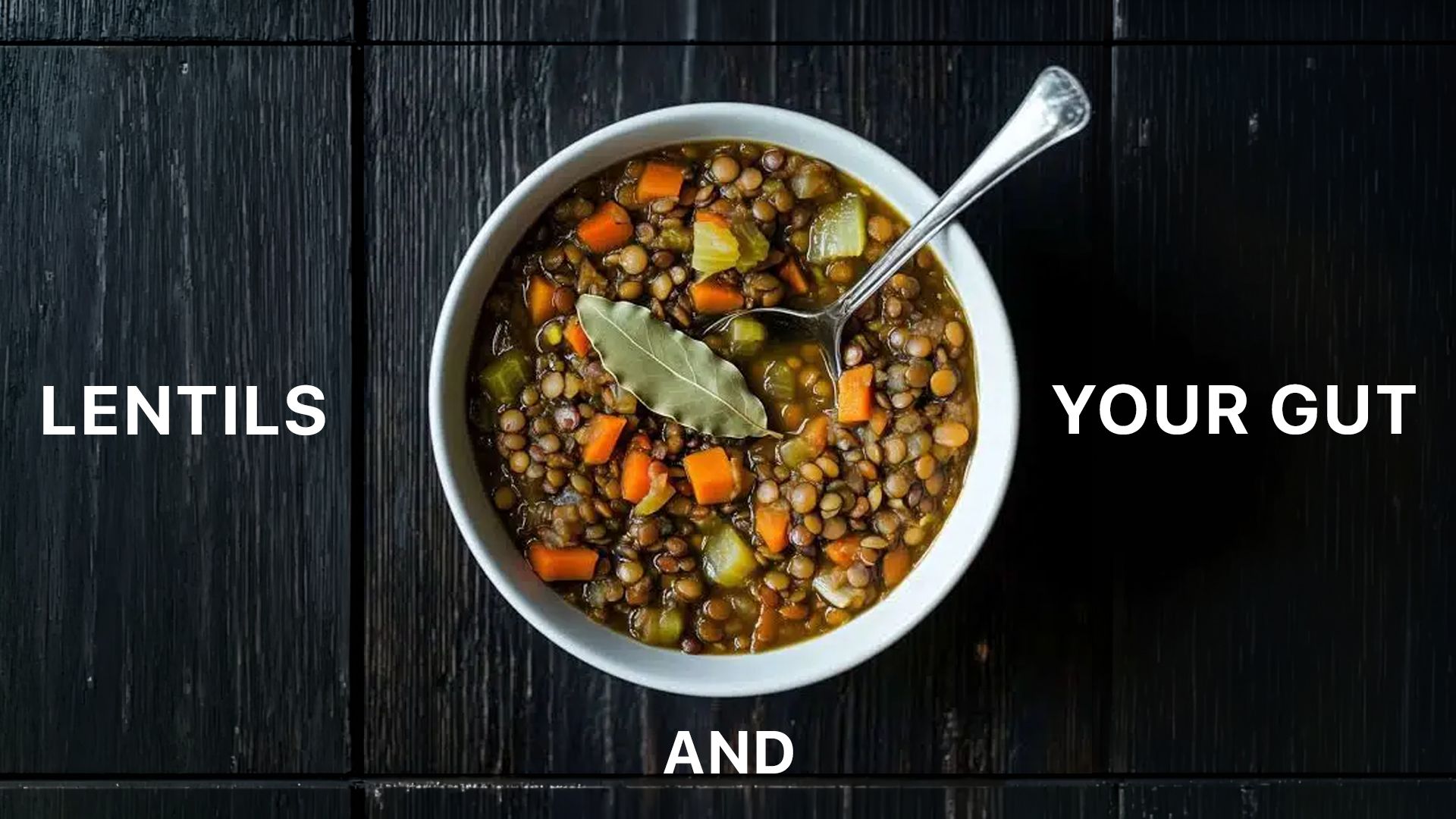
Lentils are one of the most nutritious foods on the planet. They are affordable, high in protein, packed with fiber, and a staple in cultures around the world. For plant-based eaters, they are practically sacred.
Lentils are also one of the most notorious gas-producing foods in existence. If you have ever eaten a big bowl of lentil soup and spent the next four hours regretting it, you are not alone.
The good news is that you do not have to choose between lentils and a flat belly. As a gut health specialist, I have specific strategies that let my patients enjoy lentils without the digestive drama.
The Short Answer
If you have gut health issues, avoid Lentils. They are rated Moderate FODMAP, with the specific FODMAP being galacto-oligosaccharides (GOS), the same fermentable carbohydrate found in beans and chickpeas.
The key finding: canned lentils that have been rinsed are significantly lower in FODMAPs than dried lentils cooked from scratch. The GOS leaches into the canning liquid, and when you drain and rinse, you remove a substantial portion of it.
The "Gut Science" Breakdown
FODMAP Rating
Lentils have a Moderate FODMAP rating, with GOS being the primary concern. According to Monash University, half a cup of canned, drained lentils is moderate FODMAP. A full cup pushes into high territory.
Here is the important distinction: canned versus dried. When lentils sit in canning liquid, a significant portion of the GOS dissolves into that liquid. When you drain the can and rinse the lentils thoroughly under running water, you wash away much of the dissolved GOS. This simple step can reduce the FODMAP load enough to make the difference between comfortable and miserable.
Dried lentils cooked from scratch retain more of their GOS because you typically cook them in the same water they absorb. If you cook dried lentils, soaking them overnight and discarding the soaking water before cooking can help reduce GOS content, though not as effectively as the canning process.
Red lentils (which break down during cooking) tend to be slightly better tolerated than green or brown lentils because they have thinner skins and less indigestible fiber.
Why It Helps
Lentils are an excellent source of plant-based protein, iron, folate, and fiber. For women over 35, iron is critical for energy and preventing anemia, folate supports cell repair and cardiovascular health, and the fiber promotes regular bowel movements.
The fiber in lentils includes both soluble and insoluble types. The soluble fiber feeds beneficial gut bacteria and supports the production of short-chain fatty acids like butyrate, which nourishes the colon lining. The insoluble fiber adds bulk to your stool and helps maintain regular transit time.
Lentils are also very affordable and shelf-stable, making them an accessible protein source for women who want to diversify their diet beyond animal proteins.
For a complete nutrient profile, see Healthline's guide to lentil nutrition and health benefits, covering their protein, iron, folate, and fiber content.
What to Watch Out For
The primary risk with lentils is the GOS content, which causes rapid fermentation, gas, bloating, and abdominal distension. For women with IBS, this can range from mildly uncomfortable to severely painful.
Lentil soups and stews are particularly problematic because the lentils are cooked in liquid that concentrates the GOS. Eating a large bowl of homemade lentil soup from dried lentils is one of the most potent FODMAP challenges you can give your gut.
Another risk is the lectins in undercooked lentils. Lectins are proteins that can irritate the gut lining when consumed in high amounts. Thoroughly cooking lentils (until they are completely soft) deactivates the lectins. Never eat lentils that are still firm or crunchy.
The Monash University FODMAP blog on legumes provides practical guidance on how canned and rinsed legumes compare to dried when it comes to FODMAP content.
Dr. Gundle's "Weed, Seed, & Feed" Tip
In my Weed, Seed, and Feed protocol, lentils are removed during the Weed phase because the GOS feeds bacterial overgrowth directly.
During the Feed phase, I reintroduce canned, rinsed lentils in small portions (a quarter cup) as a prebiotic fiber source. The GOS, in controlled amounts, actually feeds Bifidobacteria and supports microbiome diversity. The key is amount and timing.
My tip: start with red lentils in soup form (cooked until they dissolve) using canned, rinsed lentils. This is the easiest form to digest. Build up to green and brown lentils over several weeks as your gut demonstrates tolerance.
I break all of this down in my free Gut-Healing eBook, including which foods to eat during each phase and how to build your own Weed, Seed, and Feed plan.
How to Eat This (If You Must)
Here is how to eat lentils without the gas and bloating.
First, use canned lentils. Drain the can completely and rinse the lentils under cold running water for 30 seconds. This step alone removes a significant portion of the fermentable GOS.
Second, start with a small portion. A quarter cup of rinsed canned lentils is a safe starting point. If that goes well, try half a cup at your next meal. Do not jump to a full cup or a large bowl of lentil soup right away.
Third, cook them thoroughly. If using dried lentils, soak them overnight in plenty of water, drain and discard the soaking water, then cook in fresh water until completely soft. Do not eat lentils that still have any firmness.
Fourth, choose red lentils when possible. They have thinner skins, break down more completely during cooking, and tend to be better tolerated than green, brown, or black varieties.
Fifth, pair lentils with digestive spices. Cumin, coriander, and turmeric are traditional pairings in Indian cooking for good reason. These spices have carminative (gas-reducing) properties that can ease the digestive burden of legumes.
If lentils remain problematic even with these strategies, try canned, rinsed chickpeas as an alternative legume. Chickpeas tolerate the rinsing process very well and tend to be slightly better tolerated when properly prepared.
A Story You Might Relate To
A patient (I will call her Nadia) loved lentil soup. She made it from scratch every Sunday using dried red lentils, onion, garlic, and a big pot of stock. It was her comfort meal, especially in winter. The problem was that every Sunday evening without fail, she was bloated and gassy.
She assumed lentils just did not agree with her and was ready to give them up entirely. Before she did, I suggested a different approach.
We swapped the dried lentils for canned, drained, and rinsed. We replaced the onion and garlic with the green tops of spring onions and garlic-infused oil. We kept everything else the same.
Sunday came. She made the soup. She ate a moderate bowl. And for the first time in years, she made it through the evening without bloating. She was so surprised she made it again the following week just to confirm. Same result.
She did not need to eliminate lentils. She needed to prepare them differently. That is the difference between random elimination and informed strategy.
Frequently Asked Questions
Are canned lentils better for IBS than dried?
Yes, canned lentils that have been drained and rinsed are significantly lower in FODMAPs than dried lentils. The GOS (galacto-oligosaccharides) leaches into the canning liquid, and rinsing removes a substantial portion of it. This simple step can make lentils tolerable for many people with IBS who previously could not eat them.
Why do lentils cause so much gas?
Lentils contain high levels of galacto-oligosaccharides (GOS), a type of fermentable carbohydrate that your body cannot digest. These GOS pass to your colon where gut bacteria ferment them rapidly, producing hydrogen and methane gas. The gas production causes bloating, distension, and flatulence. Using canned, rinsed lentils and starting with small portions reduces this effect.
How much lentils can I eat with gut issues?
Start with a quarter cup of canned, rinsed lentils per meal and monitor your response. If tolerated well over several days, you can gradually increase to half a cup. A full cup is likely to cause symptoms in most people with IBS or gut sensitivity. Red lentils tend to be better tolerated than green or brown varieties.
The Bottom Line
Lentils are one of the most nutritious and affordable foods available. The fact that many women avoid them completely because of gas is unfortunate, because the right preparation makes them significantly easier to digest.
If you have written off lentils, try the canned-and-rinsed approach with a small portion before you give up on them permanently. You might be pleasantly surprised.
Healing your gut is about expanding your diet, not shrinking it. Every food you can successfully reintroduce is a win for your nutrition, your microbiome, and your quality of life.
Heal Your Gut Program is a step-by-step roadmap to reclaiming your digestion. It is structured into two paths so you get exactly the level of support you need right now.
Heal Your Gut Program is a step-by-step roadmap to reclaiming your digestion. It comes up on a rolling basis, and you can find the general page here: Heal Your Gut Program.
You can also join the Heal Your Gut Academy, Dr. Avraham's community for people who need help with their gut and can share and learn safely. Many women have recorded breakthroughs from Dr. Avraham's program, and you can read their stories here: Gut Health Success Stories.
