
Tomatoes help with Gut health, But Be Careful of One Thing
Sep 28, 2026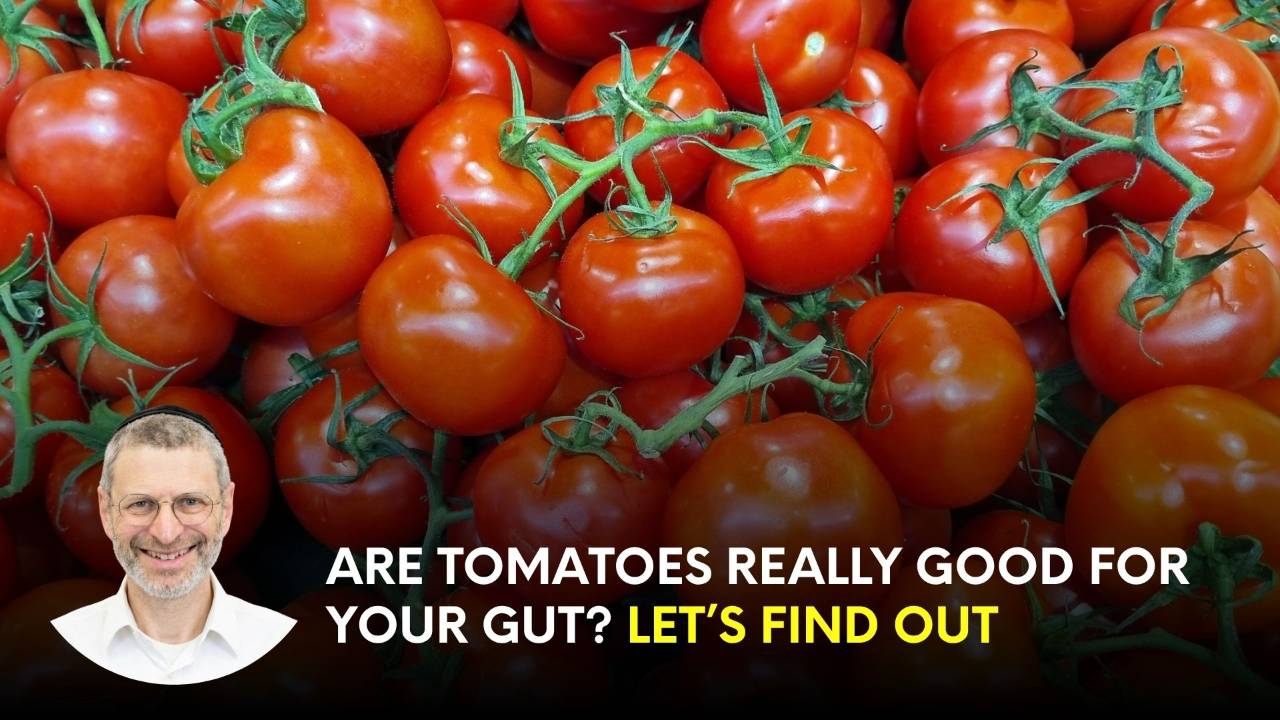
Tomatoes are in almost everything, including pasta sauces, salads, sandwiches, soups. They are so ubiquitous that most women do not even think about whether they are good or bad for gut health.
But if you are dealing with acid reflux, histamine issues, or gut sensitivity, tomatoes deserve a closer look.
For most women, tomatoes are fine. But there are specific situations where they can cause real problems.
The Short Answer
Tomatoes are rated Low FODMAP and are safe from a fermentation standpoint. They are rich in lycopene, a powerful antioxidant linked to reduced inflammation and cardiovascular protection.
However, tomatoes are acidic and relatively high in histamine, which can be problematic for women with reflux or histamine intolerance.
Cooked tomatoes are generally better tolerated than raw, and cooking actually increases lycopene bioavailability.
The "Gut Science" Breakdown
FODMAP Rating
Tomatoes are rated Low FODMAP at a standard serving. Common varieties (roma, cherry, grape, vine-ripened) are all safe for women following a low-FODMAP diet.
Sun-dried tomatoes are higher in fructose due to concentration and should be limited to one tablespoon. Tomato paste is also concentrated but typically used in small enough amounts that it remains within safe limits.
Why It Helps
Lycopene is the headline nutrient here. This carotenoid antioxidant gives tomatoes their red color and has been extensively study for its anti-inflammatory and cardiovascular protective properties. Cooked tomatoes provide significantly more bioavailable lycopene than raw.
For women over 35, lycopene's cardiovascular benefits become particularly relevant as estrogen levels decline during perimenopause, reducing the natural cardiovascular protection estrogen provides.
Tomatoes also provide vitamin C for immune function, potassium for blood pressure regulation, and vitamin K for bone health.
Watch Out For
The acidity of tomatoes is the primary gut concern. For women with gastroesophageal reflux disease (GERD), the natural acids in tomatoes (citric and malic acid) can irritate the esophageal lining and trigger heartburn, especially when consumed raw or in concentrated forms like tomato sauce.
Tomatoes are also moderate in histamine. For women in perimenopause, when reduced estrogen can impair DAO (diamine oxidase) enzyme production and histamine breakdown, tomatoes can contribute to histamine-driven symptoms like flushing, headaches, and digestive upset.
If you notice that pasta sauce or tomato-based dishes trigger reflux or general discomfort, the tomato is likely the culprit.
Dr. Gundle's "Weed, Seed, & Feed" Tip
Tomatoes are generally safe during all phases of the Weed, Seed, and Feed protocol, as they do not contribute to bacterial overgrowth. During the Weed phase, use them in cooked forms like soups or roasted vegetables, which are gentler on an inflamed gut lining than raw tomatoes.
If you have histamine issues, limit tomato intake during the Weed phase and reintroduce slowly during the Feed phase to assess tolerance.
I break all of this down in my free Gut-Healing eBook, including which foods to eat during each phase and how to build your own Weed, Seed, and Feed plan.
How to Eat This (If You Must)
Cook your tomatoes whenever possible. Roasting, simmering in sauces, or adding to soups breaks down the cell walls and increases lycopene absorption by up to four times compared to raw.
Pair cooked tomatoes with a healthy fat like olive oil. Lycopene is fat-soluble, so adding fat significantly enhances absorption.
If you have reflux, reduce concentrated tomato products like paste and ketchup. Opt for fresh or lightly cooked tomatoes in smaller quantities.
Red bell peppers (capsicums) are an excellent alternative for women who react to tomatoes. They provide similar lycopene and vitamin C without the acidity or histamine content.
A Story You Might Relate To
You love pasta, and your go-to dinner is a simple tomato sauce with spaghetti. You have been eating it three or four times a week for years. It is easy, cheap, and tastes great.
But the heartburn has become a nightly occurrence. You pop antacids after dinner and assume it is just stress or aging. You never consider that the tomato sauce, a concentrated form of already-acidic tomatoes, might be the trigger.
When you switch to olive oil and garlic-infused oil-based pasta sauces for two weeks, the heartburn drops by 80 percent. You do not have to give up tomatoes entirely, but reducing the concentrated sauce and using fresh cherry tomatoes instead makes a measurable difference.
Frequently Asked Questions
Are canned tomatoes safe for gut health?
Yes, from a FODMAP perspective. Canned tomatoes are Low FODMAP in standard servings. However, the canning process and long shelf life can increase histamine levels. If you are histamine-sensitive, fresh tomatoes are the better choice.
Do tomatoes cause inflammation?
The opposite, generally. Lycopene in tomatoes is a potent anti-inflammatory. However, the acidity can irritate an already-inflamed esophagus or stomach lining, creating the perception of inflammation. If you have reflux, the irritation is from acidity, not true inflammation.
Is tomato sauce worse than fresh tomatoes?
Tomato sauce concentrates both the acidity and the histamine content of tomatoes. One cup of tomato sauce can use six to eight tomatoes. If you tolerate fresh tomatoes but react to sauce, the concentration is likely the issue. Try reducing your sauce portions.
The Bottom Line
Tomatoes are a nutritious, low-FODMAP food that most women can enjoy safely. Their lycopene content makes them actively beneficial for cardiovascular and inflammatory health. The caveats are acidity (relevant for reflux) and histamine (relevant for perimenopause).
If you tolerate them, cook your tomatoes with olive oil for maximum benefit. If they cause reflux, switch to red bell peppers for similar nutrients without the acid.
Heal Your Gut Program is a step-by-step roadmap to reclaiming your digestion. It comes up on a rolling basis, and you can find the general page here: Heal Your Gut Program.
You can also join the Heal Your Gut Academy, Dr. Avraham's community for people who need help with their gut and can share and learn safely. Many women have recorded breakthroughs from Dr. Avraham's program, and you can read their stories here: Gut Health Success Stories.
