
Is Avocado Good for Gut Health?
Mar 20, 2026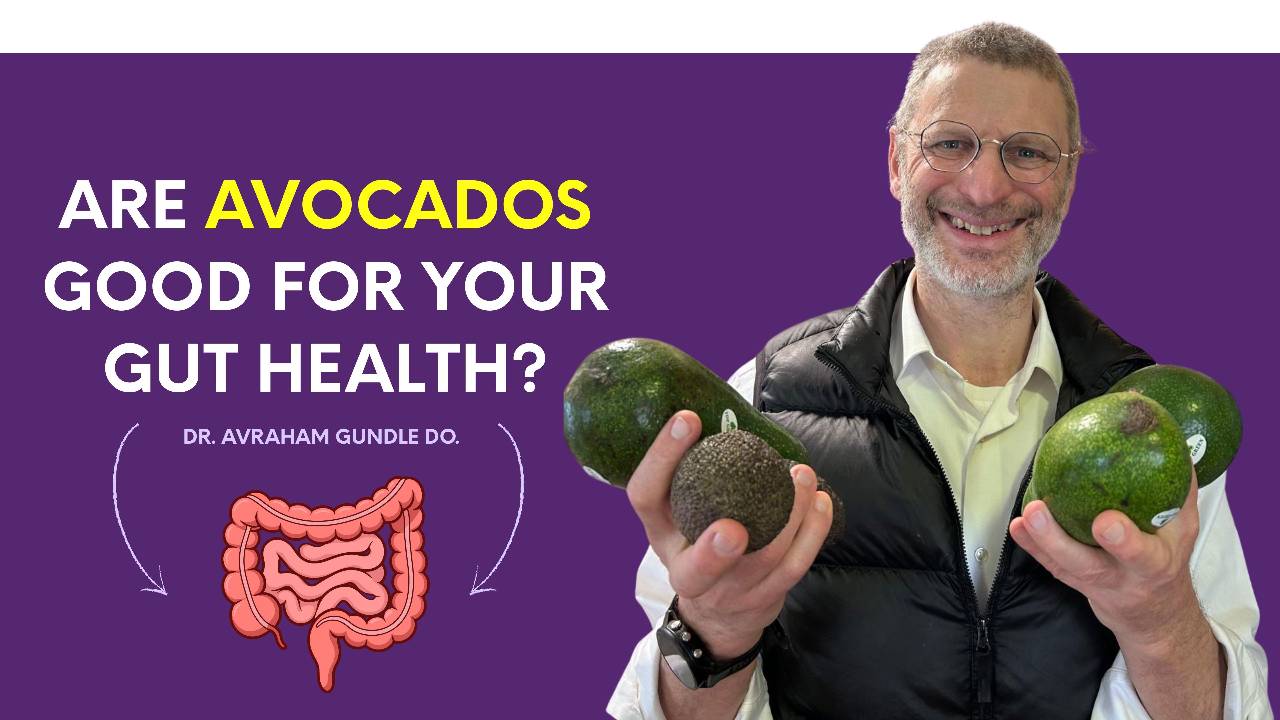
Avocado is everywhere. It is on your toast, in your smoothie, on top of your salad, and in every other wellness influencer's Instagram post. So you would think it is universally good for gut health, right?
Not exactly. As a gut health specialist who works with women over 35 every day, I can tell you that avocado is a food where portion size makes all the difference between a gut-friendly meal and a bloating disaster.
Let me explain why, and how to get it right.
The Short Answer
In small portions (one-eighth of a whole avocado, roughly two tablespoons), it is low FODMAP and generally well tolerated. Once you go beyond that, the polyol (sorbitol) content climbs into high-FODMAP territory, and that is when the bloating starts.
The tricky part is that most people eat far more than one-eighth of an avocado in one sitting. Half an avocado on toast? That is four times the safe FODMAP threshold.
The "Gut Science" Breakdown
FODMAP Rating
Avocado has a dose-dependent FODMAP rating. According to Monash University, one-eighth of a whole avocado (about 30 grams) is low FODMAP. One-quarter is moderate. Half or more is high FODMAP.
The specific FODMAP in avocado is sorbitol, a polyol (sugar alcohol) that your gut absorbs slowly. When you eat a small amount, your small intestine can handle it. When you eat too much, the sorbitol overflows into your colon, draws water into the bowel, and feeds gas-producing bacteria.
This is why some women tell me they can eat avocado sometimes with no issues, and other times it destroys them. It is not random. It depends on how much they ate, what else they ate alongside it, and their total FODMAP load for that meal.
A 2021 study published in The Journal of Nutrition found that moderate avocado consumption can actually increase microbial diversity and the production of short-chain fatty acids in the gut. The key is keeping the portion small enough that the benefits outweigh the FODMAP load.
Why It Helps
When consumed in appropriate portions, avocado is beneficial for gut health. It is one of the richest food sources of monounsaturated fatty acids (oleic acid), which have anti-inflammatory properties and support the integrity of cell membranes throughout your body, including your gut lining.
Avocado is also high in soluble fiber, which feeds beneficial bacteria and supports regular bowel movements. One whole avocado contains about 10 grams of fiber, which is more than many people get in an entire day.
The fat content of avocado actually aids digestion by slowing gastric emptying, giving your small intestine more time to absorb nutrients from your meal. This is why pairing avocado with other foods reduces the impact of high-FODMAP ingredients in the same meal.
For more on avocado nutrition, Healthline breaks down 12 evidence-based benefits of avocado, including its role in heart and gut health.
Watch Out For
The biggest risk with avocado is portion blindness. Most people do not measure one-eighth of an avocado. They scoop half onto their toast or throw a quarter into their smoothie without thinking. At these portions, the sorbitol content is high enough to trigger bloating, gas, and loose stools.
Another risk is FODMAP stacking. If you eat avocado alongside other sorbitol-containing foods (like apples, pears, or stone fruits), the total polyol load can exceed your gut's threshold even if each individual food would have been fine on its own.
Women with IBS-D (diarrhea-dominant IBS) should be particularly careful with avocado. Sorbitol draws water into the bowel, and the high fat content can further stimulate bowel motility, making loose stools worse.
As the Harvard T.H. Chan School of Public Health explains about healthy fats, such as monounsaturated fats from foods like avocado, support nutrient absorption and reduce inflammation.
Dr. Gundle's "Weed, Seed, & Feed" Tip
In my Weed, Seed, and Feed approach, avocado is a food I use strategically. During the Weed phase, I keep portions very small (one-eighth of an avocado) or replace it entirely with olive oil as the primary fat source.
During the Feed phase, I begin encouraging slightly larger portions (up to one-quarter of an avocado) because soluble fiber serves as excellent prebiotic fuel for the beneficial bacteria we have just reintroduced. The key is to not jump straight to half an avocado; rebuild your tolerance gradually.
My practical tip: Use a melon baller to scoop perfectly portioned rounds of avocado. Each scoop is roughly one-eighth of an avocado. Two scoops maximum per sitting.
I break all of this down in my free Gut-Healing eBook, including which foods to eat during each phase and how to build your own Weed, Seed, and Feed plan.
How to Eat This (If You Must)
Here is how to enjoy avocado without digestive issues.
First, measure your portion. I know this sounds tedious, but it matters. One-eighth of a whole avocado is roughly two tablespoons, or about the size of a golf ball. That is your safe zone. You can go up to one-quarter if your gut is in good shape, but do not exceed that until you know your tolerance.
Second, pair it with protein. Avocado, on its own, is fine, but combining it with eggs, chicken, or fish slows digestion and reduces the fermentation response. This is why avocado in a balanced meal causes fewer symptoms than avocado as a standalone snack.
Third, use it as a topping rather than the main event. A thin spread on toast, a few slices on a salad, or a scoop on the side of your plate. When avocado becomes the entire dish (like guacamole eaten with chips), you almost always overshoot the FODMAP threshold.
Fourth, keep the rest fresh. Cut avocados brown quickly, and most people eat more than they need because they do not want to waste the other half. Squeeze lemon juice over the cut surface, press plastic wrap directly onto the flesh, and refrigerate. It will keep for one to two days.
If avocado consistently triggers symptoms, even in small amounts, consider substituting olive oil as your primary healthy fat source. A drizzle of good extra virgin olive oil on your food gives you the same anti-inflammatory benefits without any FODMAP load.
A Story You Might Relate To
Here is one I hear frequently. A woman (we will call her Lisa) eats avocado toast every morning for breakfast. She read somewhere that avocado is a superfood, so she loads up half an avocado on a slice of sourdough. She is satisfied with her healthy choice.
By 10:30 AM, she is bloated. By noon, her stomach is making noises while she is on the way to carpool. She blames the bread, switches to a gluten-free option, and keeps the half avocado. The bloating continues. She ditches bread entirely and puts the avocado on rice cakes. Still bloating.
When she comes to me, we figure out that it was never the bread. It was the avocado portion. Half an avocado is four times the FODMAP-safe serving. We cut her back to two tablespoons per meal, keep the real sourdough toast, and add an egg for protein.
The bloating stopped. She was so relieved she almost cried. Months of elimination, months of food anxiety, and the answer was just two fewer tablespoons of avocado. Sometimes the solution really is that simple.
Frequently Asked Questions
How much avocado can I eat with IBS?
According to Monash University guidelines, one-eighth of a whole avocado (about 30 grams or 2 tablespoons) is the low-FODMAP serving. Up to one-quarter may be tolerated by some individuals, but half an avocado or more is in the high-FODMAP range and likely to trigger bloating, gas, and digestive discomfort in people with IBS.
Is avocado a prebiotic?
Yes, avocado contains soluble fiber that acts as a prebiotic, feeding beneficial bacteria in your colon. A 2021 study in The Journal of Nutrition found that daily avocado consumption increased gut microbial diversity and boosted the production of short-chain fatty acids. However, the FODMAP content means portion control is essential for people with sensitive guts.
Can avocado cause bloating?
Yes, avocado can cause bloating when eaten in portions larger than one-eighth of a whole avocado. The sorbitol (a polyol FODMAP) content increases rapidly with portion size. Half an avocado contains enough sorbitol to trigger significant bloating, gas, and sometimes loose stools in people with IBS or gut sensitivity.
The Bottom Line
Avocado is a clear example of how a healthy food can become a gut trigger when portion size is ignored. The answer is not to avoid avocado. The answer is to eat the right amount.
If you have been loading up on avocado because the internet told you it is a superfood, and wondering why your gut is punishing you for it, now you know. Scale it back, pair it with protein, and give your gut time to show you what it can handle.
The path forward is about healing the root cause so that food stops being your enemy and starts being your medicine again. My Heal Your Gut Academy gives you the foundational tools, step-by-step protocols, and community support to reduce inflammation, rebuild your microbiome, and eat with confidence again. Immediately you subscribe, you will be added to the interactive community.
If you know your situation is complex, my Heal Your Gut program provides 1:1 mentorship, advanced testing analysis, tailored protocols, and direct communication to uncover exactly what’s holding you back. Join Heal Your Gut Program.
Or, if you simply want me to personally investigate your unique triggers outside of the program structure, I invite you to work with me directly. Through private consultations and advanced test interpretation, we will heal your gut for good.
