
Is Kimchi Good for Your Gut? (A Guide for Women Over 35)
Apr 08, 2026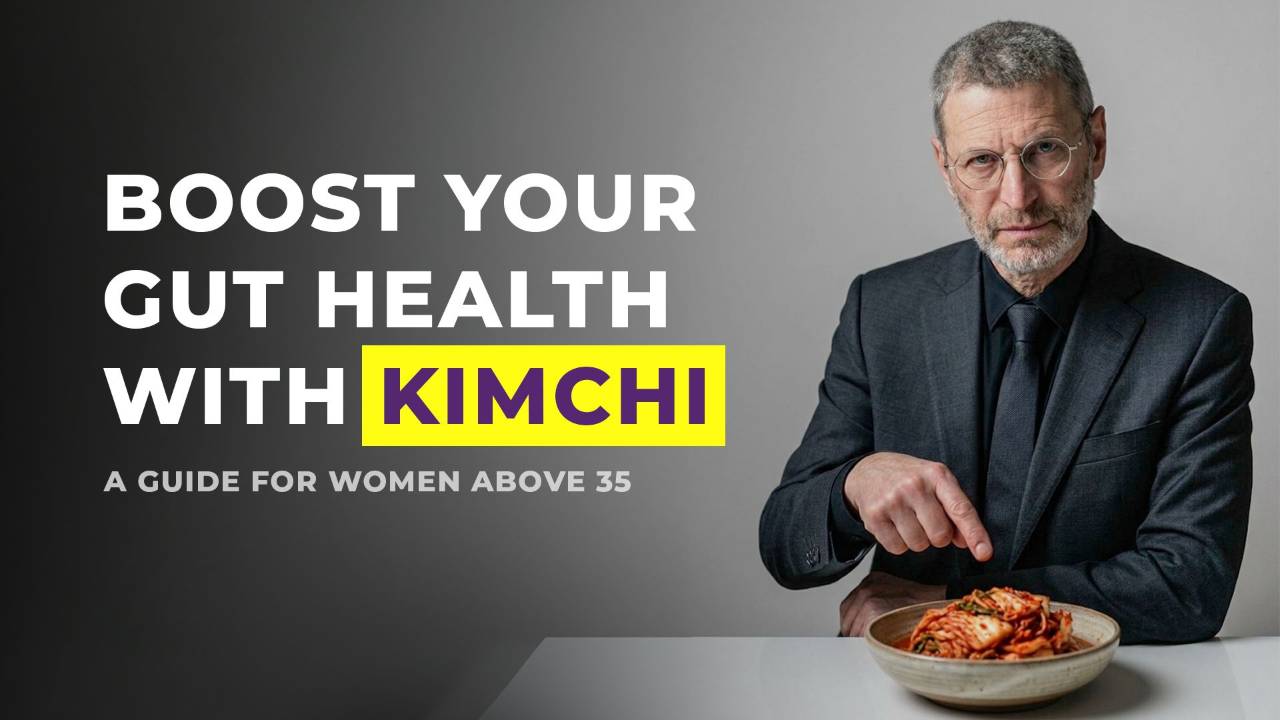
Kimchi has gone from being a traditional Korean side dish to one of the trendiest health foods in the Western world. Every gut health article, podcast, and influencer seems to recommend it. "Eat more fermented foods", they say. Your gut will love you for it.
But here is what most of those sources leave out: Kimchi is not the right choice for every gut. For some women, especially those dealing with histamine sensitivity, SIBO, or active gut inflammation, kimchi can actually make symptoms worse.
As a gut health specialist working with women over 35, let me give you the honest breakdown.
The Short Answer
Kimchi is very Safe, even for women with gut issues, but there is a little caveat. Traditional kimchi made with napa cabbage is low FODMAP in servings of about half a cup (75 grams). It is packed with live probiotic bacteria and has been well studied for its gut health benefits.
The caveats: Kimchi is high in histamine (which can be a problem for women in perimenopause and menopause), it traditionally contains garlic (high FODMAP), and it can be very spicy. All three factors can trigger symptoms in sensitive individuals.
The "Gut Science" Breakdown
FODMAP Rating
Plain kimchi made with napa cabbage, salt, and chili flakes is rated Low FODMAP at approximately 75 grams (roughly half a cup). The fermentation process actually reduces the FODMAP content of the cabbage over time, which is one reason fermented vegetables are generally better tolerated than raw ones.
The challenge is that traditional kimchi recipes include garlic and onion as standard ingredients. As we have covered in previous posts, garlic and onion are two of the highest-FODMAP foods available. During fermentation, some fructans in garlic and onion break down, but not completely. For women with severe IBS or SIBO, even this reduced fructan content can be enough to trigger symptoms.
If you want to eat kimchi on a low-FODMAP protocol, look for garlic-free and onion-free varieties, or make your own using just cabbage, salt, ginger, and chili flakes. These will still ferment well and provide probiotic benefits without FODMAP triggers.
Start with one to two tablespoons and work up to half a cup over a week or two. Introducing fermented foods too quickly can cause gas and bloating, even in healthy guts, simply because you are rapidly increasing the bacterial activity in your colon.
Why It Helps
Kimchi is a genuine gut health powerhouse when used correctly. A 2014 review published in the Journal of Medicinal Food documented that kimchi contains high concentrations of Lactobacillus bacteria, which are associated with improved digestion, enhanced immune function, and reduced inflammation throughout the body.
The fermentation process produces lactic acid, which lowers the pH of kimchi and creates an environment that is hostile to pathogenic bacteria. When you eat kimchi, you are consuming both the live bacteria and the antimicrobial byproducts they create during fermentation. It is like deploying an army with its weapons.
Kimchi is also rich in vitamins A, C, and K, as well as fiber and antioxidants from the cabbage, radish, and chili. The fermentation process can actually increase the bioavailability of these nutrients, meaning your body absorbs more of them than it would from raw cabbage alone.
Healthline's review of kimchi's health benefits summarizes the research on how this fermented food supports immune function and gut bacterial diversity.
Watch Out For
The first risk to be aware of is histamine. Fermented foods, including kimchi, are naturally high in histamine because the fermentation process produces it as a byproduct. For women over 35, this is particularly relevant because estrogen and histamine are closely related. As estrogen fluctuates during perimenopause, many women develop new sensitivities to histamine-rich foods.
Symptoms of histamine intolerance include headaches, flushing, hives, nasal congestion, rapid heartbeat, and worsened digestive symptoms. If you notice any of these after eating kimchi, histamine is the likely culprit.
The second risk is the spice. Traditional kimchi includes gochugaru (Korean chili flakes), which can irritate an already inflamed gut lining. For women with gastritis, reflux, or active gut inflammation, the capsaicin in the chili can cause burning, cramping, and worsened symptoms.
The third risk is the garlic and onion content. As discussed above, most traditional kimchi recipes contain both, which are high-FODMAP triggers.
Harvard Health's guide to fermented foods and gut health explains the link between regular consumption of fermented foods and reduced gut inflammation.
Dr. Gundle's "Weed, Seed, & Feed" Tip
In my Weed, Seed, and Feed protocol, I do not introduce kimchi until the Seed phase, and even then, I start very slowly.
During the Weed phase, fermented foods are generally avoided because they can feed bacterial overgrowth indiscriminately. We want a clean slate before reintroducing beneficial bacteria.
During the Seed phase, I introduce small amounts of low-histamine fermented foods first (like fresh sauerkraut fermented for only a few days). Once the patient tolerates that, we advance to kimchi, starting with one tablespoon per day and increasing over two to three weeks.
My tip: if you are new to fermented foods, start with the brine (the liquid) rather than the vegetables. The brine is rich in probiotics and lactic acid, but is easier to dose in small amounts. Start with one teaspoon of kimchi brine with a meal and see how you respond.
I break all of this down in my free Gut-Healing eBook, including which foods to eat during each phase and how to build your own Weed, Seed, and Feed plan.
How to Eat This (If You Must)
Here is how to eat kimchi safely if you have gut issues.
First, start small. One tablespoon at a meal is enough to test your tolerance. If that goes well for a few days, increase to two tablespoons. Build up to half a cup over the course of two weeks. Rushing the introduction of fermented foods is one of the most common mistakes I see, and it always leads to gas and bloating that could have been avoided.
Second, eat kimchi with a meal, never on an empty stomach. Acidity and spices can irritate the stomach lining when there is no food to buffer them. Pair it as a side dish with rice and protein for best results.
Third, choose low-garlic or garlic-free kimchi if you are following a FODMAP protocol. You can make your own with napa cabbage, salt, ginger, and mild chili flakes. It will taste slightly different from traditional kimchi, but it will still be deeply flavorful and packed with beneficial bacteria.
Fourth, if histamine is a concern, choose younger kimchi (fermented for only one to two weeks). The longer the kimchi ferments, the higher its histamine content climbs. Younger kimchi has fewer probiotics but also lower histamine, making it a safer starting point.
If fermented vegetables of any kind cause you symptoms, consider getting your probiotics from a well-formulated supplement instead. This allows you to introduce specific strains at controlled doses without the histamine, garlic, and spice variables that come with fermented foods.
A Kimichi Story You Might Relate To
Here is one I see regularly. A woman reads an article about the gut health benefits of fermented foods. The next day, she buys a jar of traditional kimchi. She eats a big serving with dinner that first night because she figures the more probiotics, the better.
By bedtime, she has gas, bloating, and a headache. She assumes she is reacting to the cabbage or the spice. She tries again the next day with a smaller portion. Still symptomatic. She gives up and tells herself fermented foods are not for her.
When we dig into this together, three things are going on: she started with a portion that was far too large, the kimchi contained garlic and onion (FODMAP triggers), and she has undiagnosed histamine sensitivity, which we later confirmed through a careful elimination protocol.
We start fresh. She makes a small batch of homemade kimchi without garlic, using mild chili flakes. She starts with one teaspoon of the brine, then one tablespoon of kimchi, building up slowly over three weeks. Her gut adjusts. The gas settles. She is now eating half a cup of kimchi several times a week with no issues, and her digestion has genuinely improved.
Fermented foods are powerful medicine. But like all medicine, the dose matters.
Frequently Asked Questions
Is kimchi good for IBS?
Kimchi may benefit IBS patients due to its probiotic content. However, traditional kimchi contains garlic and onion (high-FODMAP triggers) and is high in histamine. For IBS patients, the safest approach is to choose garlic-free kimchi, start with a very small portion (one tablespoon), and build up gradually over two to three weeks while monitoring symptoms.
Does kimchi contain probiotics?
Yes, kimchi is one of the richest food sources of probiotics, particularly Lactobacillus species. According to a review in the Journal of Medicinal Food, kimchi contains billions of live bacteria per gram. These bacteria support digestion, enhance immune function, and help maintain a balanced gut microbiome. For maximum probiotic benefit, always choose unpasteurized kimchi stored in the refrigerated section.
Can kimchi cause headaches?
Yes, kimchi can cause headaches in people with histamine sensitivity. Fermented foods naturally produce histamine during the fermentation process, and kimchi is one of the higher-histamine fermented foods. Women in perimenopause are particularly susceptible to histamine intolerance because changing estrogen levels affect the body's ability to break histamine down. If you experience headaches, flushing, or nasal congestion after eating kimchi, try a shorter-fermented variety or consider avoiding high-histamine fermented foods.
The Bottom Line
Kimchi is a genuinely powerful gut health food, but it is not a one-size-fits-all solution. For women with healthy guts, regular kimchi consumption can enhance microbial diversity, support immune function, and improve digestion. For women with IBS, SIBO, or histamine sensitivity, it needs to be introduced carefully, in the right amount, at the right time.
The biggest mistake people make with fermented foods is going too fast, too soon. Your gut microbiome needs time to adjust to the influx of new bacteria. Treat fermented foods like you would a new exercise routine: start gently and build up gradually.
If you respect the process and listen to your body, kimchi can become one of the most valuable foods in your gut-healing toolkit.
The path forward is about healing the root cause so that food stops being your enemy and starts being your medicine again. My Heal Your Gut Academy gives you the foundational tools, step-by-step protocols, and community support to reduce inflammation, rebuild your microbiome, and eat with confidence again. Immediately you subscribe, you will be added to the interactive community.
If you know your situation is complex, my Heal Your Gut program provides 1:1 mentorship, advanced testing analysis, tailored protocols, and direct communication to uncover exactly what’s holding you back. Join Heal Your Gut Program.
Or, if you simply want me to personally investigate your unique triggers outside of the program structure, I invite you to work with me directly. Through private consultations and advanced test interpretation, we will heal your gut for good.
