
Is Sauerkraut Good for Your Gut? Let's Find Out!
May 29, 2026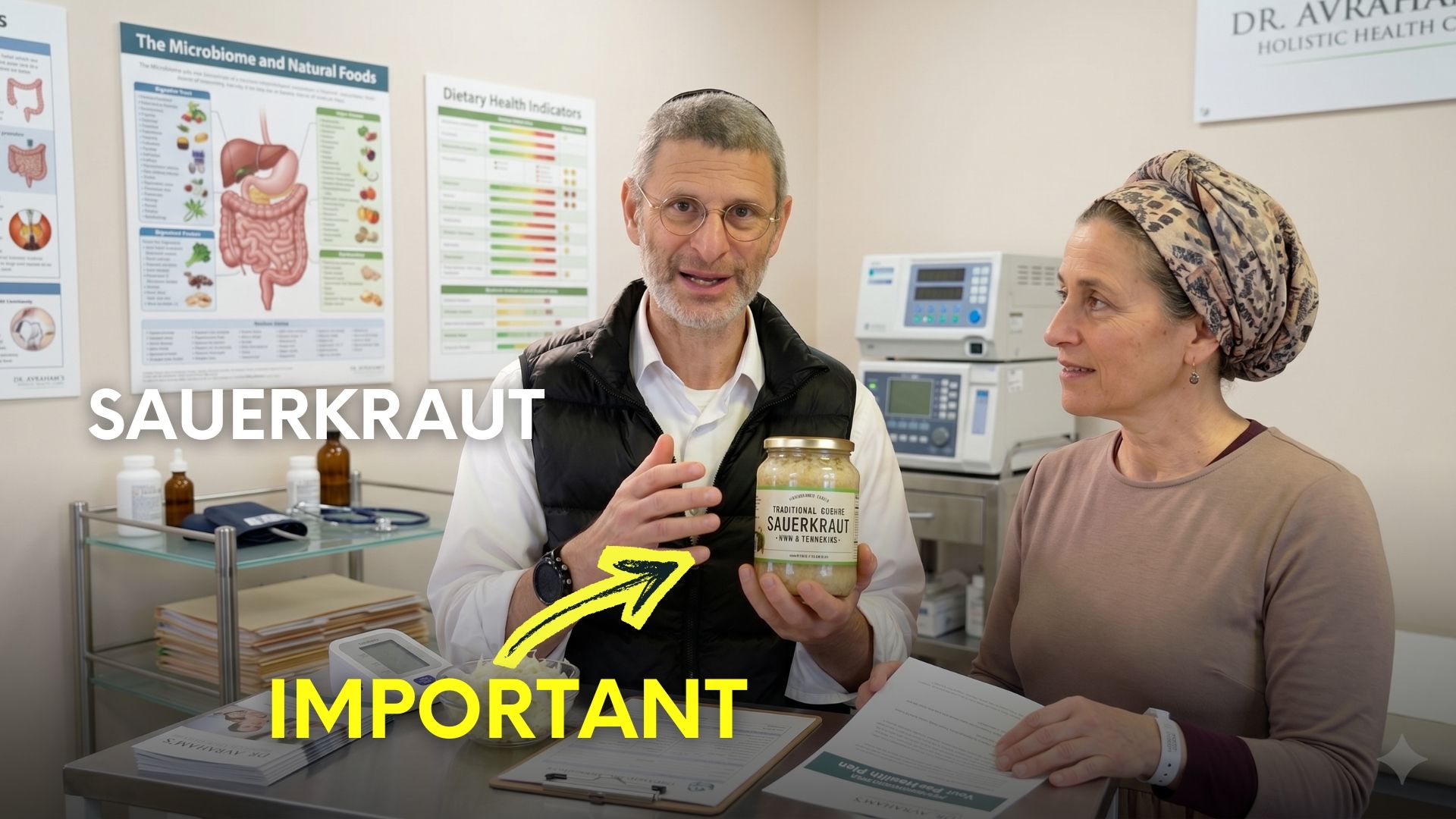
Sauerkraut has been a staple of Eastern European diets for centuries. It was originally used to preserve cabbage through the cold months, and somewhere along the way, people noticed they felt healthier when they ate it regularly.
Fast forward to today, and sauerkraut is one of the most recommended fermented foods for gut health. But there is a catch that most articles do not mention: the sauerkraut you find on the grocery store shelf is not the same as the one that benefits your gut.
As a gut health specialist working with women over 35, here is what you need to know before you start adding sauerkraut to every meal.
The Short Answer
Sauerkraut is totally safe for most women with gut issues, as long as you buy the right kind. Raw, unpasteurized sauerkraut sold in the refrigerated section is a genuine probiotic food packed with Lactobacillus bacteria. Shelf-stable sauerkraut in jars or cans has been pasteurized, which kills all the live bacteria, making it nutritionally dead.
The one concern is histamine. Sauerkraut is a fermented food, which means it is naturally high in histamine. Women who are histamine-sensitive (especially during perimenopause) may need to limit their intake.
The "Gut Science" Breakdown
FODMAP Rating
Sauerkraut is rated Low FODMAP at servings of about one tablespoon to one cup, depending on the specific product. The fermentation process breaks down the fructans in cabbage, reducing the FODMAP content significantly compared to raw cabbage.
This is why many women who cannot tolerate raw cabbage (which can cause significant gas and bloating) find that sauerkraut is perfectly fine. The bacteria have already done the fermentation work before the food reaches your gut.
As with all fermented foods, start small if you are new to sauerkraut. One tablespoon with a meal is enough to test your tolerance. Build up to two to three tablespoons over a week or two. Going from zero fermented foods to a large serving can temporarily cause gas and bloating as your microbiome adjusts to the influx of new bacteria.
If your sauerkraut contains added garlic, onion, or caraway seeds, check those separately. Some artisanal sauerkraut recipes include high-FODMAP ingredients that could trigger symptoms even though the cabbage itself is safe.
Why It Helps
Raw, unpasteurized sauerkraut is one of the best food sources of beneficial Lactobacillus bacteria. A 2019 review published in Nutrients found that fermented vegetables like sauerkraut can positively influence the gut microbiome, improve digestive symptoms, and support immune function.
During the natural fermentation of cabbage, Lactobacillus bacteria produce lactic acid, which gives sauerkraut its sour taste and creates an environment that suppresses the growth of harmful bacteria. When you eat raw sauerkraut, you are consuming both the beneficial bacteria and the antimicrobial compounds they produce.
Sauerkraut is also an excellent source of vitamin C, vitamin K, and dietary fiber. The fermentation process actually increases the bioavailability of these nutrients, meaning your body absorbs more from sauerkraut than from raw cabbage.
Healthline's guide to sauerkraut benefits details how the Lactobacillus bacteria in raw sauerkraut support immune function and digestive health.
What to Watch out for
The primary risk with sauerkraut is histamine. Like all fermented foods, sauerkraut naturally contains histamine as a byproduct of bacterial fermentation. For women with histamine intolerance (symptoms include headaches, flushing, sinus congestion, rapid heartbeat, and digestive distress), sauerkraut can trigger or worsen these symptoms.
Women in perimenopause are particularly vulnerable to histamine issues. Estrogen and histamine have a bidirectional relationship, and fluctuating estrogen levels can reduce your body's ability to break down histamine efficiently.
The other risk is buying the wrong product. Shelf-stable sauerkraut in jars or cans has been heated during pasteurization, which kills all the live bacteria. You are essentially eating pickled cabbage with no probiotic benefit. Always buy sauerkraut from the refrigerated section and look for labels that say "raw," "unpasteurized," or "contains live cultures."
For women concerned about histamine, the Cleveland Clinic's overview of histamine intolerance explains why fermented foods can trigger symptoms during perimenopause.
Dr. Gundle's "Weed, Seed, & Feed" Tip
In my Weed, Seed, and Feed protocol, sauerkraut is introduced during the Seed phase as one of the first fermented foods.
During the Weed phase, I avoid all fermented foods because they can feed bacterial overgrowth indiscriminately. Once we have cleared the overgrowth and are ready to reintroduce beneficial bacteria, sauerkraut is my go-to starting point because its bacterial profile is simpler than kimchi's and it's lower in spice.
I start patients with one teaspoon of the brine (juice) from the sauerkraut jar. The brine is rich in lactic acid and Lactobacillus, but easier to dose than the solid cabbage. If that goes well for two to three days, we move to one tablespoon of the actual sauerkraut and build from there.
My tip: buy sauerkraut made only from cabbage and salt. The simpler the ingredient list, the better. You can add your own seasonings later.
I break all of this down in my free Gut-Healing eBook, including which foods to eat during each phase and how to build your own Weed, Seed, and Feed plan.
How to Eat This (If You Must)
Here is how to get the most gut benefit from sauerkraut.
First, always buy raw, unpasteurized sauerkraut from the refrigerated section of your grocery store or health food shop. If it is on the regular shelf at room temperature, it has been pasteurized and the beneficial bacteria are dead.
Second, never heat or cook sauerkraut if you are eating it for the probiotics. High temperatures kill the live bacteria. Add sauerkraut to your plate after cooking as a cold topping or side dish. It goes beautifully with grilled chicken, baked fish, rice bowls, and salads.
Third, start small. One tablespoon with a meal, once daily, is the right starting point. If your gut handles that well for three to five days, increase to two tablespoons. Build up gradually to three to four tablespoons per meal over several weeks.
Fourth, eat it with food. The acidity of sauerkraut on an empty stomach can irritate the stomach lining, especially if you have gastritis or reflux. Eating it alongside protein and fat buffers the acid and slows absorption.
If sauerkraut causes headaches, flushing, or any signs of histamine intolerance, switch to pickles made in brine (not vinegar). Lacto-fermented pickles provide similar probiotic benefits with generally lower histamine content because the fermentation time is shorter.
A Story You Might Relate To
A patient I will call Leah came to me after reading online that she needed to eat more fermented foods for her gut. She went to the supermarket and bought two jars of sauerkraut from the condiment aisle, the shelf-stable kind in glass jars. She ate a big spoonful with dinner every night for a month.
She noticed no improvement in her digestion. When she told me what brand she was eating, I explained that the pasteurized product she bought contained zero live bacteria. All those spoonfuls were doing nothing for her microbiome.
We switched her to a raw, refrigerated sauerkraut from a local health store. Within two weeks of starting with small portions and building up, her digestion improved noticeably. Her bowel movements became more regular, and the intermittent bloating she had been living with for years calmed down.
The lesson: not all sauerkraut is created equal. The product matters as much as the food itself.
Frequently Asked Questions
What is the difference between pasteurized and raw sauerkraut?
Pasteurized sauerkraut has been heated to kill bacteria for shelf stability. This process also kills all the beneficial probiotic bacteria, making it nutritionally dead from a gut health perspective. Raw, unpasteurized sauerkraut (always sold refrigerated) contains live Lactobacillus bacteria that actively support your gut microbiome.
How much sauerkraut should I eat daily?
Start with one tablespoon of raw sauerkraut per day with a meal. If tolerated well, build up to two to four tablespoons per meal over two to three weeks. More is not necessarily better with fermented foods. Consistency (eating a moderate amount daily) is more valuable than large occasional servings.
Can sauerkraut cause headaches?
Yes, sauerkraut is high in histamine, and histamine intolerance can cause headaches, flushing, nasal congestion, and digestive symptoms. Women in perimenopause are particularly susceptible because changing estrogen levels affect histamine metabolism. If sauerkraut triggers headaches, try shorter-fermented pickles or a probiotic supplement instead.
The Bottom Line
Sauerkraut is one of the simplest and most effective fermented foods for gut health, but the details matter. Buy raw, eat it cold, start small, and be mindful of histamine if you are in perimenopause.
If you have been eating shelf-stable sauerkraut and wondering why nothing has changed, that is your answer. Switch to the real thing and give your gut the live bacteria it actually needs.
A tablespoon a day of the right sauerkraut can do more for your microbiome than a month of the wrong one.
Heal Your Gut Program is a step-by-step roadmap to reclaiming your digestion. It comes up on a rolling basis, and you can find the general page here: Heal Your Gut Program.
You can also join the Heal Your Gut Academy, Dr. Avraham's community for people who need help with their gut and can share and learn safely. Many women have recorded breakthroughs from Dr. Avraham's program, and you can read their stories here: Gut Health Success Stories.
