
Chickpeas: Gut Health Superfood or Problem Trigger?
Aug 14, 2026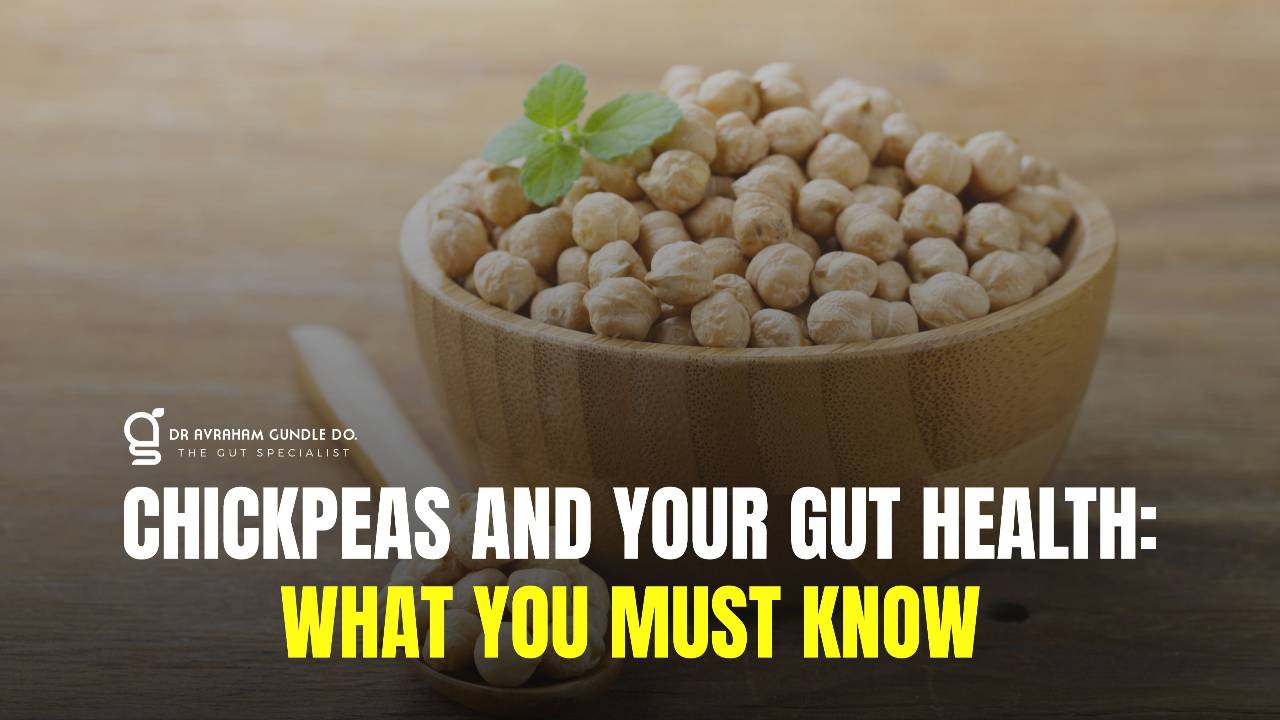
Chickpeas are a staple in cuisines around the world, from hummus to curries to roasted snacks. They are cheap, high in protein, and incredibly versatile. But if you are a woman over 35 dealing with bloating and gas, chickpeas might be causing more problems than you realize.
The good news is that how you prepare chickpeas matters enormously. Here is what you need to know.
The Short Answer
Chickpeas are Moderate FODMAP. Dried chickpeas that are soaked and cooked at home are higher in galactans (GOS) than canned chickpeas that have been rinsed.
Canned and rinsed chickpeas at a quarter-cup serving are generally tolerated by most women with mild to moderate gut sensitivity.
If you have active IBS or SIBO, even canned chickpeas may cause gas and bloating. The galactans ferment rapidly in the gut, and if your system is already compromised, this fermentation can be painful.
The "Gut Science" Breakdown
FODMAP Rating
Chickpeas are rated Moderate FODMAP. Their primary FODMAP is GOS (galacto-oligosaccharides), the same fermentable carbohydrate found in other legumes like lentils and kidney beans.
Here is the important distinction: canned chickpeas are significantly lower in GOS than dried chickpeas prepared at home. The canning and liquid soaking process leaches much of the GOS into the liquid. When you drain and rinse canned chickpeas, you wash away a substantial portion of the problematic compounds.
This means a quarter-cup serving of canned, rinsed chickpeas falls within the low-FODMAP threshold for most women. Dried chickpeas, even when soaked overnight, retain more GOS and are harder to tolerate.
Why Chickpeas Can Help
Chickpeas are an excellent source of plant-based protein, delivering about 15 grams per cup. For women over 35 who are reducing meat intake or following a plant-forward diet, this is significant for maintaining muscle mass and metabolic health.
They are also rich in folate, iron, and manganese, nutrients essential for energy production, red blood cell formation, and bone health during perimenopause.
The fiber in chickpeas, when tolerated, feeds beneficial gut bacteria and promotes regular bowel movements. The prebiotic effect of chickpea fiber has been studied specifically for its ability to increase Bifidobacteria populations.
Healthline's guide to chickpea nutrition and benefits breaks down why chickpeas are such a valuable source of plant-based protein and prebiotic fiber.
Watch Out For This One Thing
The galactan content is the primary concern. GOS ferments rapidly in the large intestine, producing hydrogen and methane gas. For women with IBS, this translates to bloating, distension, cramping, and flatulence, sometimes within one to two hours of eating.
Hummus, while delicious, can be a hidden trigger because it is easy to overconsume. Three or four tablespoons of hummus can exceed the safe chickpea portion, especially when combined with other high FODMAP dippers.
If you have SIBO, the galactans in chickpeas feed the bacterial overgrowth in your small intestine. This is one of the reasons legumes are often restricted during the early phases of SIBO treatment.
The Harvard T.H. Chan School of Public Health's overview of legumes and health summarizes decades of research linking regular legume consumption to improved gut and cardiovascular health.
Dr. Gundle's "Weed, Seed, & Feed" Tip
During the Weed phase, avoid chickpeas (and most legumes) entirely. The galactan fermentation will interfere with your efforts to clear bacterial overgrowth and reduce inflammation.
During the Feed phase, reintroduce canned, rinsed chickpeas in small amounts (two tablespoons to start). If you tolerate that, gradually increase to a quarter cup. Watch for bloating in the four hours after eating.
I break all of this down in my Heal Your Gut Academy and my free Gut-Healing eBook, including which foods to eat during each phase and how to build your own Weed, Seed, and Feed plan.
How to Eat This (If You Must)
Always use canned chickpeas, not dried. Drain the liquid entirely and rinse them thoroughly under running water. This step alone reduces the GOS content significantly.
Start with a small portion. Two tablespoons of canned, rinsed chickpeas is a good starting point. If you tolerate that over several days, increase to a quarter cup.
Hummus lovers, measure your portions. Two tablespoons of hummus is roughly equivalent to a quarter-cup of chickpeas. It is easy to eat far more than that without realizing it.
If chickpeas consistently cause you problems even in small amounts, try canned lentils instead. Monash University testing shows that canned lentils are lower in GOS and often better tolerated than chickpeas.
A Story You Might Relate To
You made a big batch of homemade hummus on Sunday. You are proud of yourself because it is homemade, it is whole food, and it is plant-based. You eat it with carrots and cucumber every day for lunch.
By Wednesday, you notice the bloating is back with a vengeance. You feel gassy after every lunch, and by the evening, your abdomen is visibly distended. You blame the vegetables, the stress, the time of the month.
But when you count up how much hummus you have been eating, it is easily four or five tablespoons per sitting. That is double the safe chickpea portion. Once you scale back to two tablespoons and switch to a pumpkin seed dip for the rest, the bloating resolves.
Frequently Asked Questions
Is hummus low FODMAP?
In small amounts, yes. Two tablespoons of hummus made from canned chickpeas is generally within the low-FODMAP range. However, most people eat significantly more than that in a single sitting, which pushes the portion into problematic territory.
Are canned chickpeas better than dried for gut health?
For FODMAP-sensitive individuals, yes. The canning process and subsequent rinsing remove a significant portion of the GOS content. Dried chickpeas, even when soaked overnight, retain more fermentable carbohydrates.
Can I eat chickpeas every day?
If you tolerate them, a quarter-cup of canned, rinsed chickpeas per day is reasonable. However, if you are in the early stages of gut healing, eating legumes daily may cause cumulative fermentation effects. Every other day is a safer starting frequency.
The Bottom Line
Chickpeas can absolutely be part of a gut-healthy diet, provided you prepare them correctly and watch your portions. Canned and rinsed is the way to go, and two tablespoons to a quarter cup is the sweet spot.
If hummus is your weakness, just measure it. Most bloating from chickpeas is not because they are inherently bad. It is because we eat too much of them without realizing it.
Heal Your Gut Academy is a reliable roadmap to reclaiming your digestion. It is Dr. Avraham's community for people who need help with their gut and can share and learn safely. Many women have recorded breakthroughs from Dr. Avraham's program, and you can read their stories here: Gut Health Success Stories.
