
Gut Microbiome & Colorectal Cancer Risk After Polyp Removal
Aug 02, 2026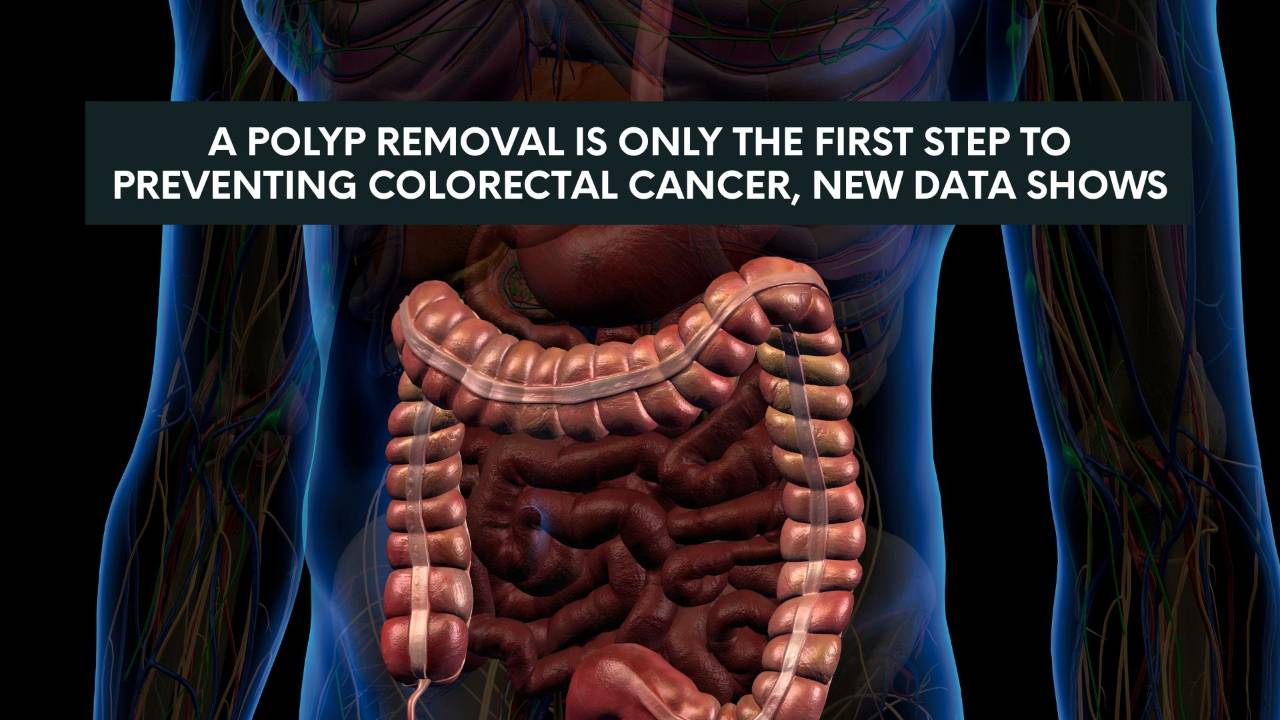
If you have ever had a colon polyp removed, you were probably sent home with a simple message. The growth is gone, so the danger is gone. Come back in a few years for your next colonoscopy.
New research from Harvard suggests the story does not end at removal.
A study from the Harvard T.H. Chan School of Public Health, published in the journal Cell Host & Microbe, found that the gut microbiome can remain altered for more than a decade after a colon polyp is removed. That finding matters, because it points to something I have taught for over 30 years. Real healing happens at the root, not at the surface.
What the Harvard study found
Colorectal cancer is the second leading cause of cancer deaths in the world. Removing precancerous polyps, called adenomas, during a colonoscopy is one of the best tools we have to prevent it. Yet doctors have long noticed something troubling. People who have had a polyp removed still carry a higher cancer risk than people who never had one. Nobody knew exactly why.
The Harvard team looked at the gut for answers. They compared the stool samples of 354 women who had a polyp removed about 12 years earlier with 354 similar women who never had one. They found meaningful differences in 31 microbial species. The gut bacteria of the polyp group resembled, in part, those seen in people with active colorectal cancer.
In plain terms, the polyp was gone, but the gut had not returned to a healthy state. As the lead researcher explained, removing an adenoma "doesn't return the gut to a low-risk state."
Why removing the polyp may not be enough
Think of a polyp as smoke, and the gut environment as the fire.
A colonoscopy is brilliant at clearing the smoke. It finds the growth and removes it. That is important work and you should keep doing it. But if the conditions that produced the polyp are still there, the risk stays with you.
This is the pattern I see every week in my clinic. People chase one symptom, then another, then another. They treat each one as it appears, and the relief never lasts, because the terrain underneath was never addressed. Your symptoms are messages. They are your body telling you the environment needs to change.
The part you can actually change
Here is the hopeful part of the study, and the reason I wanted you to read it.
The researchers found that diet and lifestyle were closely tied to these gut changes. Women with less healthy diets and lower activity levels carried more harmful microbes. That link was even stronger in the women who had a history of polyps.
So these changes are not fixed. Your daily choices shape the environment in your gut. Food, movement, sleep, and stress all feed the microbes living inside you, for better or worse. You have more say in this than you have been told.
What this means for your gut
Keep your colonoscopies. Follow your doctor's screening schedule. Nothing in this study changes that, and early detection saves lives.
Then go one step further and work on the soil. Support the gut environment so it becomes a place where healthy microbes thrive and harmful ones struggle. This is the same root cause approach I have used to help people with bloating, reflux, IBS, leaky gut, fatigue, and more. The gut sits at the center of all of it.
How to heal your gut at the root
You do not have to figure this out alone. Inside the Heal Your Gut Academy, I walk you through the step-by-step process of healing your gut. We look at the full picture, food, lifestyle, and the terrain itself, and we do it with a community walking beside you. We are currently welcoming founding members.
If you want to understand your own gut first, gut microbiome testing can show you exactly what is happening inside you. And if you would rather work with me directly, you can work with me here.
Healing is possible. I have watched it happen thousands of times. Your gut can change, and so can your future.
Start with my free gut health guide and take the first step today.
Medical disclaimer: This article is for educational purposes only and is not medical advice. It does not replace screening, diagnosis, or treatment from your own physician.
