
Is Cauliflower Good for Your Gut? (An Evergreen Gut Health Guide)
Aug 03, 2026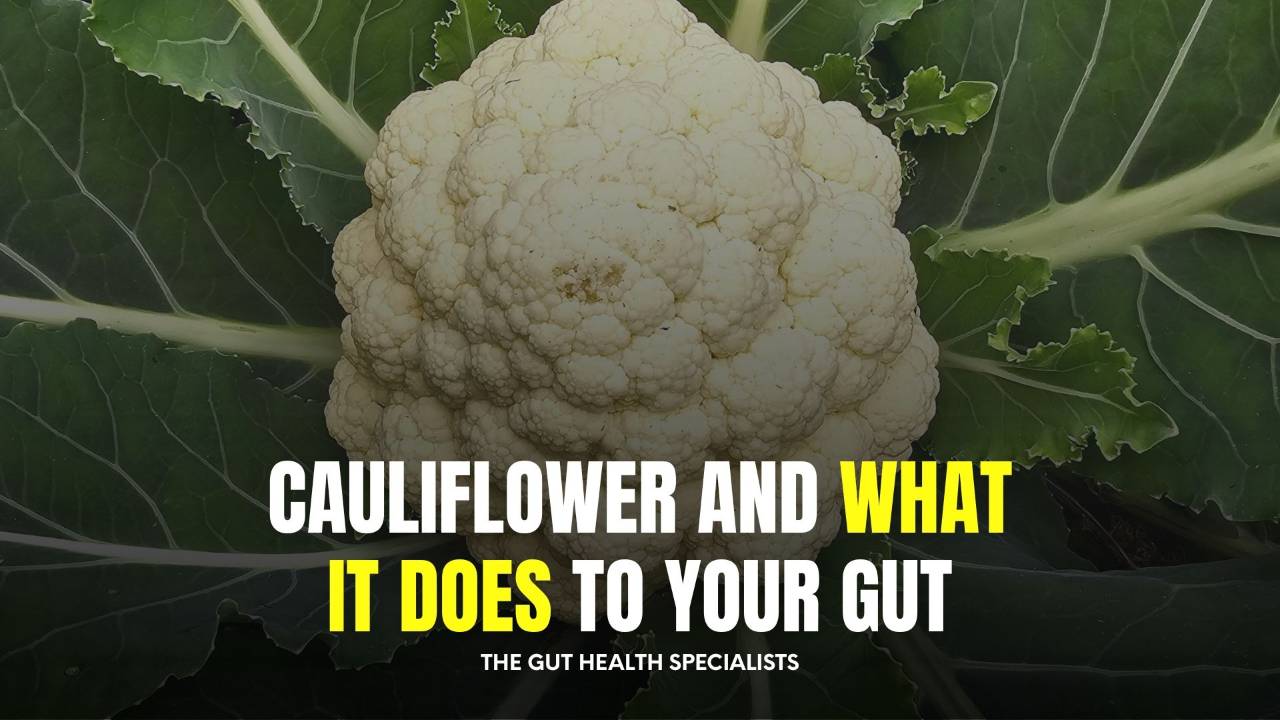
Cauliflower rice, cauliflower pizza crust, cauliflower everything. This vegetable has exploded in popularity as a low-carb substitute, and you probably have at least one bag of frozen cauliflower rice in your freezer right now.
But if you are a woman over 35 with bloating, IBS, or gut sensitivity, cauliflower might be one of the biggest saboteurs in your kitchen. I see this in my practice constantly, and the conversation usually starts with the words, 'I do not understand why I am still so bloated. I am eating so healthy.'
The Short Answer
Cauliflower is a high FODMAP food that causes significant gas and bloating for most women with gut issues. It is high in mannitol, a sugar alcohol that ferments aggressively in the large intestine, producing gas and drawing water into the bowel.
If you are in an active gut flare or have been diagnosed with IBS or SIBO, cauliflower should be avoided during the elimination phase. It can be reintroduced cautiously once your gut has healed.
The "Gut Science" Breakdown
FODMAP Rating
Cauliflower is rated High FODMAP due to its mannitol content. Even moderate portions (more than half a cup) can trigger significant gas production for women with IBS or SIBO.
Mannitol is a polyol that your small intestine absorbs very poorly. When it reaches the large intestine undigested, bacteria ferment it rapidly, producing large volumes of hydrogen and methane gas. This is what creates that painful, distended feeling many women describe as looking six months pregnant by the end of the day.
Cauliflower rice, despite being marketed as a gut-friendly alternative, concentrates the vegetable. One serving of cauliflower rice is typically one to two cups, which is well above the FODMAP threshold. You are essentially eating more cauliflower in rice form than you would as a side dish.
Why It Helps
Cauliflower is not without merit. It is a cruciferous vegetable that contains sulforaphane, a compound that activates detoxification pathways in the liver. For women over 35, this is relevant because efficient estrogen detoxification becomes increasingly important as hormone levels shift during perimenopause.
It also provides vitamin C, vitamin K, and folate, all valuable nutrients for immune function and cellular repair.
The problem is not that cauliflower is nutritionally lacking. The problem is that its FODMAP content outweighs these benefits for women with active gut issues.
For the nutritional breakdown, Healthline outlines the top health benefits of cauliflower, including its role as a source of sulforaphane and choline.
Watch Out For This Risk!
The primary risk is aggressive gas production. Of all the high FODMAP vegetables, cauliflower is one of the most consistent offenders in my practice. Women who eat it regularly and in large amounts (especially as cauliflower rice) often experience severe bloating, cramping, and flatulence within hours.
If you have SIBO, cauliflower is particularly problematic. The mannitol feeds the bacteria in your small intestine, worsening the overgrowth and intensifying symptoms.
Even women without a formal IBS diagnosis often report that cauliflower makes them feel worse. If you notice a pattern of bloating after meals containing cauliflower, trust your body.
The Cleveland Clinic explains how cruciferous vegetables support detoxification, a process relevant to cauliflower and its close relatives in the Brassica family.
Dr. Gundle's "Weed, Seed, & Feed" Tip
During the Weed phase, avoid cauliflower entirely. Your gut cannot handle the fermentation load while you are trying to clear bacterial overgrowth and calm inflammation.
During the Seed and Feed phases, you can experiment with very small portions (a few florets) of well-cooked cauliflower. Steaming it thoroughly breaks down some of the fibers and may make it slightly more tolerable. But if it triggers symptoms, there is no reason to force it. Broccoli florets (heads only, well-steamed) or zucchini give you similar cruciferous benefits without the same FODMAP load.
I break all of this down in my free Gut-Healing eBook, including which foods to eat during each phase and how to build your own Weed, Seed, and Feed plan.
How to Eat This (If You Must)
If you tolerate cauliflower in small amounts, eat only the florets, not the stalks. The stalks contain higher concentrations of mannitol.
Steam it well. Thorough cooking breaks down some of the tough fibers and makes it easier to digest. Raw cauliflower (like in salads or with dip) is the worst option for a sensitive gut.
Keep your portion to half a cup or less. This is roughly four to five small florets, not the large servings that typically end up on plates.
If you have been using cauliflower rice as a regular carb substitute and experiencing ongoing bloating, try switching to actual white rice. It is Low FODMAP, gentle on the gut, and when cooled creates prebiotic resistant starch.
A Story You Might Relate To
You discovered cauliflower rice three months ago and fell in love with it. Low carb, low calorie, versatile, perfect. You started having it with almost every dinner. You even found a recipe for cauliflower pizza crust that actually tastes good.
But the bloating has been relentless. Every evening, your abdomen swells like a balloon. You have cut out dairy, gluten, sugar, and processed foods, but nothing helps. You are convinced something must be seriously wrong with your gut.
Then someone asks you how much cauliflower rice you are eating. You realize it is easily two cups per night. The moment you swap it for a small portion of actual white rice, the evening bloating vanishes within a week. The 'healthy' swap was the problem all along.
Frequently Asked Questions
Is cauliflower rice low FODMAP?
No. Cauliflower rice concentrates the vegetable, meaning you typically eat more cauliflower per serving than you would as a side dish. One cup of cauliflower rice exceeds the low-FODMAP threshold for mannitol and is likely to cause gas and bloating for sensitive individuals.
What can I eat instead of cauliflower?
Broccoli florets (heads only, steamed well) provide similar cruciferous benefits with a lower FODMAP load. Zucchini is another excellent low-FODMAP substitute that is versatile, mild, and easy to digest. For a rice substitute, try actual white rice, which is genuinely low FODMAP.
Will I always be sensitive to cauliflower?
Not necessarily. Many women find they can tolerate small portions of cauliflower once their gut has healed. The key is to avoid it during the elimination and healing phases, then reintroduce it slowly in small amounts during the maintenance phase.
The Bottom Line - Is Cauliflower good for your gut?
Cauliflower is a nutritious vegetable, but it is not the gut-friendly superfood that marketing has made it out to be. For women with IBS, SIBO, or any active gut condition, it is one of the most reliable triggers of bloating and gas.
If you are eating cauliflower regularly and wondering why your gut is not improving, try removing it for two weeks and see what happens. You might find that the so-called healthy swap was actually holding you back.
Heal Your Gut Program is a step-by-step roadmap to reclaiming your digestion. It comes up on a rolling basis, and you can find the general page here: Heal Your Gut Program.
You can also join the Heal Your Gut Academy, Dr. Avraham's community for people who need help with their gut and can share and learn safely. Many women have recorded breakthroughs from Dr. Avraham's program, and you can read their stories here: Gut Health Success Stories.
