
Is Kombucha Good for Gut Health? | Gut Specialist
Aug 31, 2026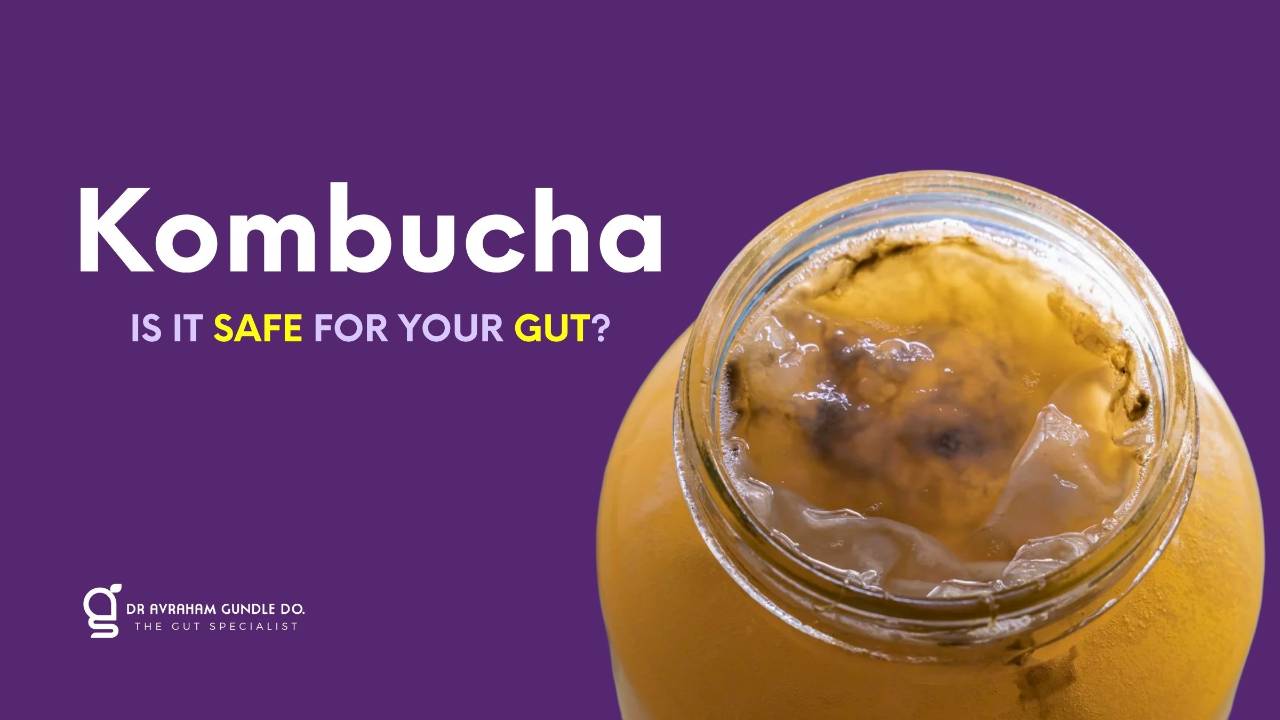
Kombucha has become the unofficial drink of the wellness world. Every health food store has an entire wall dedicated to it, and influencers swear it transformed their digestion. But the reality for women with active gut issues is more complicated.
As a gut health specialist, I have seen kombucha help some patients and make others significantly worse. The difference comes down to your specific gut condition, and most people do not know which camp they fall into.
The Short Answer - It Depends on One Thing
Kombucha is rated High FODMAP and should be approached with caution if you have IBS, SIBO, or histamine intolerance. While it does contain probiotics, the sugar, carbonation, and histamine content can trigger bloating, gas, and reflux in sensitive individuals.
If your gut is relatively stable and you tolerate fermented foods well, kombucha can be a beneficial addition. If your gut is compromised, it is more likely to make things worse.
The "Gut Science" Breakdown
FODMAP Rating
Kombucha is rated High FODMAP, primarily due to its fructose content from the sugar used during fermentation. While the SCOBY (symbiotic culture of bacteria and yeast) consumes much of the sugar during brewing, commercially produced kombucha often has added fruit juices or extra sugar for flavor, pushing the FODMAP content higher.
The carbonation adds another layer of concern. Carbonated beverages introduce gas directly into your digestive system, which can worsen bloating and distension for women already dealing with excess gas production from bacterial fermentation.
Why It Helps
Kombucha does contain live probiotic cultures, including Lactobacillus and Acetobacter species. These can support gut microbial diversity when your gut is in a stable state.
The organic acids produced during fermentation, including acetic acid and gluconic acid, may support a healthy gut pH and have mild antimicrobial properties against certain pathogenic bacteria.
For women over 35 with stable digestion who tolerate fermented foods, a small amount of high-quality kombucha can be a pleasant way to introduce beneficial organisms.
For a balanced overview, Healthline evaluates whether kombucha lives up to its health claims, reviewing the probiotic, antioxidant, and potential risks of this popular fermented tea.
Watch Out For
For women with SIBO, kombucha is problematic on multiple fronts. The residual sugars feed small intestinal bacteria, the carbonation adds gas, and the fermentation products can worsen existing symptoms.
Kombucha is high in histamine. For women in perimenopause, when estrogen fluctuations can reduce the body's ability to break down histamine, this can trigger headaches, skin flushing, nasal congestion, and digestive upset.
Many commercial kombuchas contain more sugar than their labels suggest. The fermentation process is difficult to control precisely, and some brands test significantly higher in residual sugar than advertised.
The Cleveland Clinic's take on kombucha and gut health advises caution for people with SIBO or histamine sensitivity, while acknowledging its potential probiotic benefits.
Dr. Gundle's "Weed, Seed, & Feed" Tip
During the Weed phase, avoid kombucha entirely. The sugar, carbonation, and histamine content directly contradict the goals of this phase, which are to starve problematic bacteria and reduce inflammation.
During the Feed phase, you can experiment with a small amount (two to four ounces) of low-sugar, unflavored kombucha. If you tolerate it, you can gradually increase. But if you experience any bloating, gas, or reflux, stop immediately. Water kefir is often a gentler alternative.
I break all of this down in my free Gut-Healing eBook, including which foods to eat during each phase and how to build your own Weed, Seed, and Feed plan.
How to Eat This (If You Must)
If you are going to drink kombucha, choose brands with less than 5 grams of sugar per serving. Read the label carefully, as many brands add sugar or fruit juice after fermentation.
Start with two to four ounces, not a full bottle. Most commercial kombucha bottles contain 16 ounces or more, which is excessive for a sensitive gut.
Choose unflavored or ginger-flavored varieties. Fruit-flavored kombuchas tend to have higher sugar and FODMAP content from the added fruit juice.
If kombucha consistently triggers symptoms, try water kefir instead. It is fermented, contains probiotics, but is typically lower in sugar, histamine, and carbonation than kombucha.
A Story You Might Relate To
You started drinking kombucha every day because you read it was a probiotic powerhouse. A full 16-ounce bottle after lunch, sometimes two. You felt good about this choice. It was fermented, natural, and healthy.
But the bloating got worse. Your stomach would swell after each bottle, and you started getting headaches in the afternoon. You blamed work stress.
Your practitioner asks about your kombucha habit and explains the histamine and sugar issues. You cut it out for two weeks, and the afternoon headaches disappear. The bloating reduces significantly. Turns out the gut-healing drink was adding fuel to the fire.
Frequently Asked Questions
Is kombucha better than probiotic supplements?
Not necessarily. Probiotic supplements contain specific, researched strains at controlled doses. Kombucha contains variable strains in unpredictable amounts, along with sugar, histamine, and carbonation. For targeted gut healing, a quality probiotic supplement is more reliable.
How much kombucha is safe to drink?
For women with stable digestion, four to eight ounces per day is a reasonable amount. For women with IBS, SIBO, or histamine intolerance, even small amounts may be problematic. Start with two ounces and monitor symptoms.
Does kombucha help with bloating?
For some women with balanced gut bacteria, the answer is yes. But for women with IBS, SIBO, or dysbiosis, kombucha often causes more bloating due to its sugar, carbonation, and FODMAP content. If you are bloated and trying kombucha to fix it, you may be making the problem worse.
The Bottom Line
Kombucha is not the universal gut healer that marketing makes it out to be. For women with stable digestion, it can be a pleasant probiotic beverage in small amounts. For women with active gastrointestinal conditions, symptoms are more likely to worsen than improve.
If you love kombucha and tolerate it well, enjoy it. If you are drinking it as medicine and feeling worse, give yourself permission to stop.
Heal Your Gut Academy is a step-by-step roadmap to reclaiming your digestion. A number of people are already in it, because it is Dr. Avraham's community for people who need help with their gut and can share and learn safely.
So many people from all around the world have recorded breakthroughs from Dr. Avraham's program, and you can read their stories here: Gut Health Success Stories.
