
Is Quinoa Good for Your Gut? (A Guide for Everybody Over 35)
Aug 31, 2026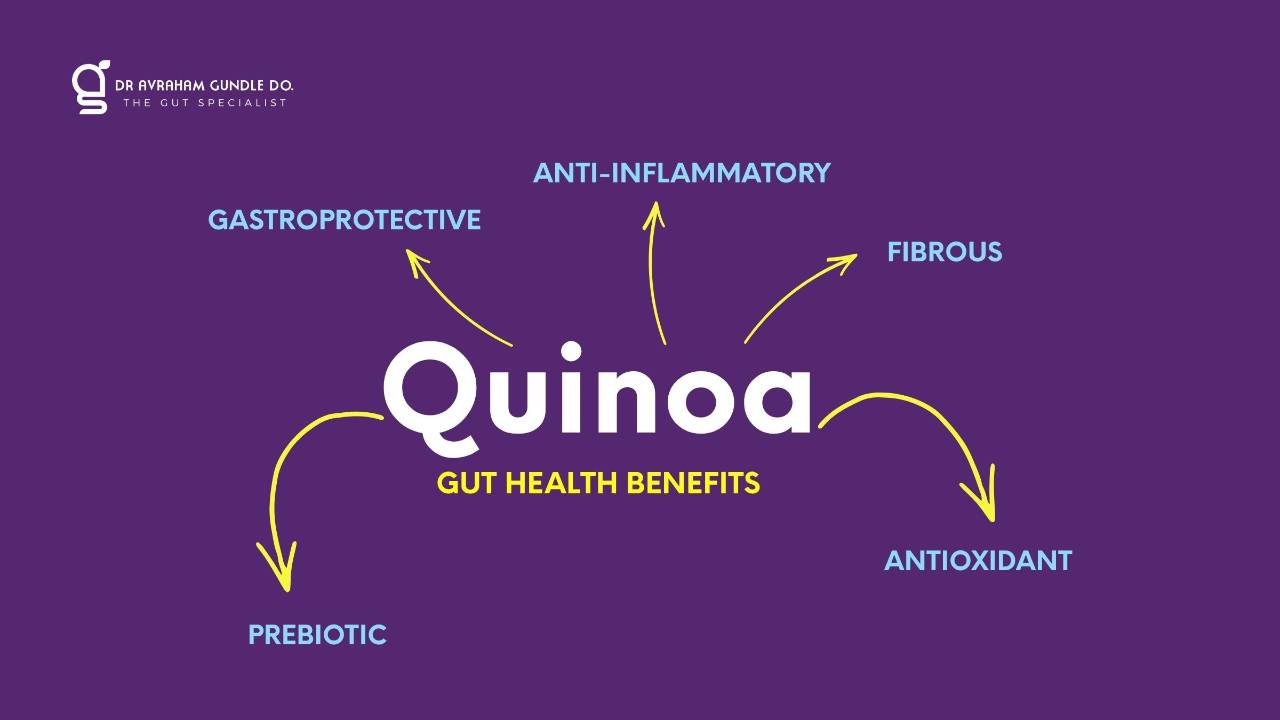
Quinoa has earned its place as a health food darling, and unlike many health trends, this one is actually backed by solid nutrition science. It is a complete protein, naturally gluten-free, and surprisingly gentle on the gut when prepared correctly.
As a gut health specialist, I recommend quinoa regularly. But there is one crucial step most people skip that can mean the difference between smooth digestion and an irritated gut.
The Short Answer - Yes
Quinoa is rated Low FODMAP and is safe for most women with gut issues. It is a complete protein (containing all nine essential amino acids), naturally gluten-free, and provides gentle fiber that supports regular bowel movements.
The critical step is rinsing. Quinoa is coated in saponins, natural compounds that can irritate the gut lining and cause nausea if not washed off before cooking.
The "Gut Science" Breakdown
FODMAP Rating
Quinoa is rated Low FODMAP at a one-cup cooked serving. It is one of the most universally tolerated grains (technically a seed) for women with IBS, SIBO, and celiac disease.
For women who have eliminated gluten and are looking for a grain-like food that provides protein and fiber without the FODMAP load, quinoa is an excellent choice.
Why It Helps
Quinoa is one of the few plant foods that provides all nine essential amino acids, making it a complete protein. This is significant for women over 35 who are reducing meat intake, as adequate protein is critical for maintaining muscle mass, hormone production, and immune function.
It provides manganese, magnesium, phosphorus, and folate, all essential for energy metabolism and bone health during perimenopause.
The fiber in quinoa is predominantly soluble, which means it feeds beneficial bacteria gently without causing the aggressive fermentation associated with high FODMAP fibers.
Healthline's guide to quinoa nutrition explains why it is one of the few plant foods that provides all nine essential amino acids.
Watch Out For
The primary concern with quinoa is saponins. These are naturally occurring compounds that coat the outside of quinoa seeds as a natural pest deterrent. If not rinsed off, saponins can irritate the gut lining, cause nausea, and leave a bitter taste.
Most commercially available quinoa is pre-rinsed, but not all brands remove saponins completely. To be safe, always rinse quinoa thoroughly under cold running water before cooking, regardless of what the package says.
Some women with severely compromised gut linings may react to even well-rinsed quinoa during an acute flare. If this happens, switch to white rice until your gut stabilizes.
The Celiac Disease Foundation's resource on naturally gluten-free grains confirms quinoa's status as a safe grain alternative for people with celiac disease or gluten sensitivity.
Dr. Gundle's "Weed, Seed, & Feed" Tip
Quinoa is safe during all phases of the Weed, Seed, and Feed protocol. During the Weed phase, its Low FODMAP rating means it will not feed problematic bacteria. During Seed and Feed, its gentle fiber and complete protein support gut rebuilding.
The key is thorough rinsing. A fine-mesh strainer under cold water for at least 30 seconds removes the saponin coating that can irritate a healing gut.
I break all of this down in my free Gut-Healing eBook, including which foods to eat during each phase and how to build your own Weed, Seed, and Feed plan.
How to Eat This (If You Must)
Rinse quinoa thoroughly before cooking. Place it in a fine-mesh strainer and run cold water over it for 30 to 60 seconds, rubbing the seeds gently. You will notice the water goes from slightly soapy to clear, and that is how you know the saponins are gone.
Cook quinoa in a 2:1 water-to-quinoa ratio. Bring to a boil, cover, and simmer for 15 minutes. Let it sit covered for five minutes, then fluff with a fork.
Use quinoa as a base for bowls with protein and low-FODMAP vegetables. It pairs beautifully with salmon, chicken, or tofu, plus roasted zucchini, steamed green beans, or sauteed spinach.
Quinoa flakes make an excellent hot cereal alternative to oats. If you are looking for breakfast variety, cook quinoa flakes like oatmeal and top with blueberries and a drizzle of maple syrup.
A Story You Might Relate To
You tried quinoa once and hated it. It tasted bitter and left you feeling slightly nauseous. You told everyone you could not tolerate grains and stuck to white rice.
Six months later, a friend cooked quinoa for you that tasted completely different. Nutty, light, and pleasant. She tells you she rinses it for a full minute before cooking. You had no idea that step mattered.
You start making quinoa at home, rinsed properly, and it becomes a weekly staple. No bitterness, no nausea. The food was never the problem. The preparation was.
Frequently Asked Questions
Is quinoa gluten-free?
Yes, quinoa is naturally gluten-free. It is a seed from the Chenopodium quinoa plant, not a cereal grain. It is safe for women with celiac disease or non-celiac gluten sensitivity. Look for certified gluten-free labels if cross-contamination is a concern.
Does quinoa cause bloating?
Well-rinsed quinoa should not cause bloating for most women. If it does, the culprit is usually inadequate rinsing (leftover saponins) or eating it in very large portions. Start with half a cup and see how your body responds.
Is quinoa better than rice for gut health?
Quinoa offers more protein and a broader nutrient profile than white rice, but both are Low FODMAP and well tolerated. White rice is gentler during an active flare, while quinoa is better for everyday nutrition when your gut is stable. Both have their place.
The Bottom Line
Quinoa is one of the most gut-friendly grains available. Its Low FODMAP rating, complete protein content, and gentle fiber make it excellent for women managing gut issues. Just rinse it thoroughly, and you will avoid the bitter, irritating saponins that give quinoa a bad reputation.
If you tried quinoa and hated it, try again with proper rinsing. You might be surprised.
Heal Your Gut Academy is a step-by-step roadmap to reclaiming your digestion. A number of people are already in it, because it is Dr. Avraham's community for people who need help with their gut and can share and learn safely.
So many people from all around the world have recorded breakthroughs from Dr. Avraham's program, and you can read their stories here: Gut Health Success Stories.
