
Tofu: Nutrients, Gut Health Benefits, Downsides, and More
Sep 02, 2026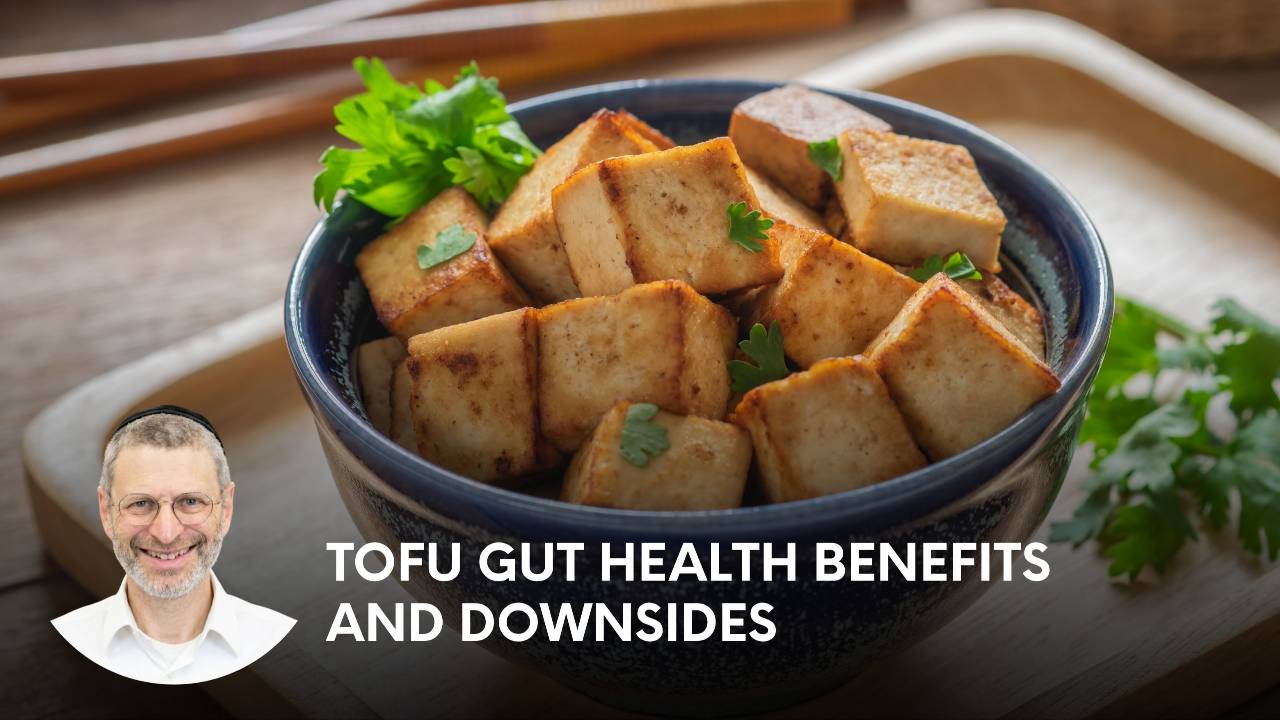
Tofu has a complicated reputation. Some people swear by it as a gut-friendly protein. Others avoid it entirely because they have heard soy is bad for hormones. The truth, as usual, is more nuanced.
As a gut health specialist who works with women over 35, I want to clear up the confusion about tofu and give you a practical, evidence-based answer.
The Short Answer
Firm and extra-firm tofu are rated Low FODMAP and are safe for most women with gut issues. They provide excellent plant-based protein in a highly digestible form. Silken (soft) tofu, however, is High FODMAP due to its higher GOS content and should be avoided during elimination phases.
The type of tofu you choose matters as much as whether you eat it at all.
The "Gut Science" Breakdown
FODMAP Rating
Firm tofu is rated Low FODMAP because the pressing process removes much of the water and water-soluble GOS (galacto-oligosaccharides) from the soybeans. The firmer the tofu, the more liquid has been removed, and the lower the FODMAP content.
Silken tofu retains much more liquid and therefore much more GOS. It is rated High FODMAP and can trigger significant gas and bloating for women with IBS.
This distinction is critical. Many recipes call for silken tofu in smoothies, dressings, and desserts. If you are FODMAP-sensitive, do not substitute silken for firm.
Why It Helps
Firm tofu provides approximately 20 grams of protein per cup with minimal digestive effort. For women over 35 who need adequate protein for muscle maintenance and hormone production, it is an efficient, low-irritant source.
Tofu contains isoflavones, plant compounds that have been extensively studied for their effects on hormone metabolism. Research shows that moderate soy consumption does not disrupt thyroid function or cause hormonal imbalances in the vast majority of women.
As a fermented soy product (when traditionally made), tofu may offer some prebiotic and digestive benefits that unfermented soy products do not.
For a full nutritional breakdown, Healthline reviews the health benefits and risks of tofu, including its isoflavone content and role in plant-based diets.
Watch Out For
The primary gut risk comes from choosing the wrong type. Silken tofu, soy milk, and edamame all have higher FODMAP content than firm tofu and can trigger IBS symptoms.
Soy is also a common allergen. If you have a confirmed soy allergy or sensitivity, tofu is not for you regardless of its FODMAP rating.
Heavily processed soy products (soy protein isolate, textured soy protein) are significantly harder to digest than whole-food tofu. Stick to minimally processed, plain tofu.
The Harvard T.H. Chan School of Public Health's analysis of soy foods and health addresses common concerns about soy and confirms its safety for most women when consumed as whole food.
Dr. Gundle's "Weed, Seed, & Feed" Tip
Firm tofu is safe during all phases of the Weed, Seed, and Feed protocol. Its Low FODMAP rating and ease of digestion make it a reliable protein source even during strict elimination.
Avoid silken tofu and soy milk during the Weed phase. The GOS content can feed problematic bacteria. During the Feed phase, you can experiment with small amounts of silken tofu if you tolerate firm tofu well.
I break all of this down in my free Gut-Healing eBook, including which foods to eat during each phase and how to build your own Weed, Seed, and Feed plan.
How to Eat This (If You Must)
Always choose firm or extra-firm tofu. Press it for 15 minutes with a towel or tofu press to remove excess liquid, which improves texture and further reduces GOS content.
Marinate it before cooking for better flavor. Tofu absorbs marinades beautifully. A simple mix of tamari (gluten-free soy sauce), ginger, and sesame oil is gut-friendly and delicious.
Pan-fry in olive oil or bake at 400°F for 25 minutes, until golden. Crispy tofu has a completely different texture from soft tofu, and most people who dislike tofu have only tried it in its softest form.
If you are nervous about soy, start with a small portion (quarter cup) and monitor your symptoms for 24 hours before increasing.
A Story You Might Relate To
You went plant-based three months ago and replaced most of your protein with tofu-based meals. Silken tofu smoothies, soft tofu in curries, and tofu scrambles. You felt good about the dietary shift, but the gas has been relentless.
When you mention this to your practitioner, she asks what type of tofu you are using. You were unaware there was a difference. She explains that silken tofu is High FODMAP, while firm tofu is Low FODMAP.
Switch entirely to firm tofu, press it well, and start pan-frying it. The gas reduces dramatically within a week. Same food, different form, entirely different gut experience.
Frequently Asked Questions
Does tofu affect estrogen levels?
No. The isoflavones in tofu are phytoestrogens, which are structurally similar to estrogen but significantly weaker. Extensive research confirms that moderate soy consumption (two to three servings per day) does not raise estrogen levels or increase cancer risk in women. It may actually support healthy hormone metabolism.
Is silken tofu bad for your gut?
For FODMAP-sensitive individuals, yes. Silken tofu retains more water and GOS than firm tofu, making it a high-FODMAP food. If you have IBS, stick to firm or extra-firm tofu.
What is better for gut health: tofu or tempeh?
Both are good options. Tempeh is fermented, which means it has additional probiotic benefits and may be even easier to digest. However, tempeh is made from whole soybeans and has a stronger flavor. If you tolerate both, alternate between them for variety.
The Bottom Line
Firm tofu is a genuinely gut-friendly protein that deserves its place in a gut-healing diet. The key is choosing the right type (firm or extra-firm, never silken during elimination) and preparing it properly.
If you have been avoiding tofu due to soy concerns, research confirms it is safe and beneficial for most women. Give it a try.
Heal Your Gut Academy is a step-by-step roadmap to reclaiming your digestion. A number of people are already in it, because it is Dr. Avraham's community for people who need help with their gut and can share and learn safely.
So many people from all around the world have recorded breakthroughs from Dr. Avraham's program, and you can read their stories here: Gut Health Success Stories.
