
When Eating Watermelon Can Harm Your Gut
Aug 05, 2026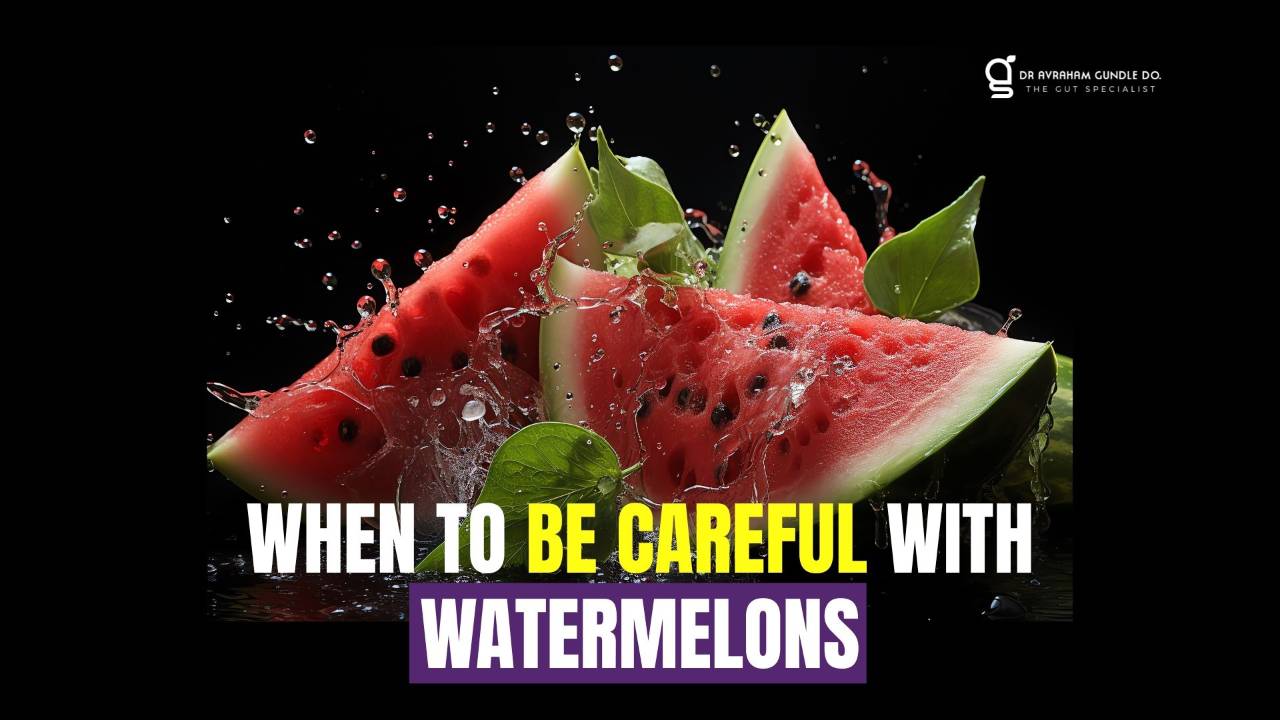
Nothing says summer like a cold slice of watermelon. It is refreshing, hydrating, and feels like it should be one of the healthiest things you can eat. Unfortunately, if you are a woman over 35 with gut issues, watermelon is one of the most deceptive foods out there.
I hate being the one to tell you this, but watermelon is a major gut trigger for a surprisingly large number of women. Here is why, and what you can eat instead.
The Short Answer
Watermelon is a high FODMAP food that is extremely high in both fructose and mannitol. For women with IBS, fructose malabsorption, or SIBO, it is one of the most reliable triggers of bloating, gas, and diarrhea during the summer months.
If you are actively dealing with gut issues, watermelon should be avoided. Cantaloupe (rockmelon) is a much safer alternative that gives you similar refreshment without the FODMAP load.
The "Gut Science" Breakdown of Watermelon
FODMAP Rating
Watermelon is rated High FODMAP. It is one of the highest FODMAP fruits tested by Monash University, containing problematic levels of both excess fructose and mannitol even in small portions.
Fructose is a simple sugar that many women with IBS absorb poorly. When unabsorbed fructose reaches the large intestine, bacteria ferment it rapidly, producing hydrogen gas and causing that painful distension you feel within an hour or two of eating.
On top of the fructose, watermelon contains mannitol, a polyol that draws water into the intestines. The combination of excess gas production from fructose and excess water from mannitol creates the perfect storm for bloating, cramping, and urgent diarrhea.
When Watermelon Can Be Actually Helpful
Watermelon does have genuine nutritional benefits. It is roughly 92 percent water, making it one of the most hydrating foods available. For women over 35 dealing with fatigue and headaches, adequate hydration is critical.
It also contains lycopene, the same antioxidant found in tomatoes. Lycopene has been studied for its potential role in reducing oxidative stress and supporting cardiovascular health.
Citrulline, an amino acid found in watermelon rind, supports nitric oxide production, which improves blood flow. However, most people do not eat the rind.
For a full nutrient profile, healthline covers the top benefits of watermelon, including its hydration properties and lycopene content.
Watch Out For These
For women with gut issues, the risks overwhelmingly outweigh the benefits. Watermelon is one of the most commonly reported trigger foods in my practice, especially during summer when people eat large quantities.
Because watermelon tastes light and refreshing, many women eat far more than they realize. Two or three slices of watermelon can easily equal two cups or more, and even half a cup is enough to trigger symptoms in sensitive individuals.
The fructose content can also feed a SIBO overgrowth. If you have been diagnosed with SIBO or suspect you have it, watermelon is one of the first foods I recommend eliminating.
The Mayo Clinic's resource on managing IBS symptoms explains why identifying high-fructose trigger foods like watermelon is essential for symptom control.
Dr. Gundle's "Weed, Seed, & Feed" Tip
Watermelon should be avoided during the entire Weed phase. Its fructose and mannitol content will feed the very bacteria you are trying to clear.
Even during the Seed and Feed phases, I recommend caution. If you want to test it, try a small bite (one to two tablespoons) and monitor your symptoms for four hours before eating more. Many of my patients find that cantaloupe (rockmelon) satisfies the summer melon craving without any digestive issues.
I break all of this down in my free Gut-Healing eBook, including which foods to eat during each phase and how to build your own Weed, Seed, and Feed plan.
How to Eat Watermelon (If You Must)
If you know you tolerate watermelon, keep your portion to a few small cubes, no more than half a cup. Eat it as part of a meal, not alone, to slow the fructose absorption.
Never eat watermelon on an empty stomach. Fructose is absorbed more quickly when no other food is present to slow digestion, increasing the risk of malabsorption and symptoms.
If you react to watermelon, switch to cantaloupe (rockmelon). It is Low FODMAP, hydrating, and provides similar refreshment without the fructose and mannitol load. Strawberries and blueberries are other excellent low-FODMAP fruit alternatives.
Keep in mind that watermelon juice concentrates the fructose even further. If you are buying watermelon juice or smoothies in summer, you are getting a very concentrated dose that is almost certain to trigger symptoms.
A Story You Might Relate To
It is a hot Saturday afternoon and you are at a barbecue. The host has cut up a massive watermelon. Everyone is eating slices, juice running down their arms, laughing. You grab two generous slices because it is fruit. It is healthy. It is summer.
An hour later, you are sitting in the bathroom feeling miserable. The bloating hit fast, that familiar pressure building in your abdomen. Then came the cramping and the urgency. You know you are going to be uncomfortable for the rest of the evening.
The next summer, you bring cantaloupe to the barbecue instead. Same refreshment, same social experience, zero consequences. Your friends ask why you switched, and you just shrug and say you like the taste better. Nobody needs to know the real reason.
Frequently Asked Questions
Why does watermelon make me so bloated?
Watermelon contains both excess fructose and mannitol, two FODMAPs that are problematic on their own.
Fructose causes rapid bacterial fermentation and gas, while mannitol draws water into your intestines. Together, they create severe bloating, cramping, and often diarrhea.
Is seedless watermelon better for gut health?
No. The issue is the fructose and mannitol content of the flesh itself, not the seeds. Seedless watermelon has the same FODMAP profile as seeded varieties.
What fruit can I eat instead of watermelon?
Cantaloupe (rockmelon) is the closest substitute in terms of texture and refreshment, and it is Low FODMAP. Other safe summer fruits include strawberries, blueberries, raspberries, and kiwi. All of these are low-FODMAP in standard serving sizes.
The Bottom Line
I know this is not the answer anyone wants to hear in summer, but watermelon is one of the worst fruits for women with gut issues. Its dual-FODMAP content (fructose and mannitol) makes it one of the most reliable triggers of bloating, gas, and diarrhea.
The good news is that cantaloupe gives you almost the same experience without the consequences. Your gut does not care about trends. It cares about what you actually feed it.
Heal Your Gut Program is a step-by-step roadmap to reclaiming your digestion. It comes up on a rolling basis, and you can find the general page here: Heal Your Gut Program.
You can also join the Heal Your Gut Academy, Dr. Avraham's community for people who need help with their gut and can share and learn safely. Many women have recorded breakthroughs from Dr. Avraham's program, and you can read their stories here: Gut Health Success Stories.
